
Close Menu
    Facebook X (Twitter) Instagram
    Trending
    • Smriti Mandhana Reveals RCB’s Key Final Motivation
    • Rasha Thadani Debuts as Singer with Shiva Devotional ‘Chhap Tilak’
    • UGC New Rules Stayed: Tikait Predicts Legal Chaos
    • Hardeep Puri on EU-India FTA and Energy Price Stability in Goa
    • Historic! RCB’s 6 League Wins Lead to WPL 2026 Final
    • From Politics to Sufi Melodies: Hans Raj Hans’s Guru Ravidas Message
    • Congress Rule Turns Karnataka IT Hub into Drug Syndicate Hotspot: BJP
    • Women’s Political Stake in Bangladesh Slips Under Yunus Government
    Facebook X (Twitter) Instagram
    Report Wire
    • World
    • India
      • Chhattisgarh
      • Jharkhand
      • Bihar
    • Entertainment
    • Sports
    • Tech
    • Business
    • Health
    Report Wire
    Home»World»2026 Forecast: 14.4M in Afghanistan Face Health Shortage

    2026 Forecast: 14.4M in Afghanistan Face Health Shortage

    World January 29, 20262 Mins Read
    Facebook Twitter Pinterest LinkedIn Tumblr Email
    संयुक्त
    Share
    Facebook Twitter LinkedIn Pinterest Email

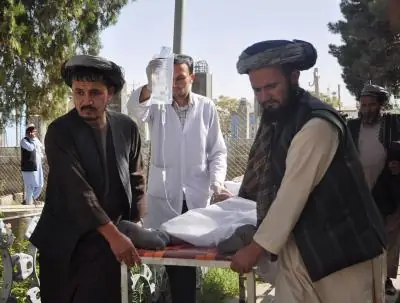
    In a stark warning, the United Nations has outlined a dire health outlook for Afghanistan through 2026. OCHA’s latest assessment points to 14.4 million people needing medical services, but only half that number—7.2 million—stand to benefit from ongoing schemes. This projection, shared via local media Thursday, paints a picture of unrelenting suffering.

    The breakdown is heartbreaking: 54 percent children, 24 percent women, 10 percent disabled. Over $190 million in donations is essential to bridge the shortfall, testing the resolve of international funders.

    Come 2026, the nation will still dominate global humanitarian needs, sustaining 22 million aid dependents. Vaccination campaigns, maternal support, and emergency responses are being accelerated by UN bodies and NGOs alike.

    Parallel to this, UNICEF highlighted Tuesday Afghanistan’s child malnutrition meltdown, with 3.7 million acute cases each year. Triggers include 2021’s economic crash, arid conditions, and waning aid flows. WFP stats show 90-plus percent of families food-insecure, dooming kids to lifelong deficits.

    New guidelines unveiled by Representative Tajuddin Oyewale prioritize severe interventions and under-six-month infant protocols, heralding a potential shift in combating the scourge. Optimism surrounds their role in boosting survival amid crisis.

    Factors fueling child wasting—poverty, hunger pangs, healthcare voids, maternal deficiencies, rural isolation, and female worker bans—create a perfect storm. The path forward hinges on dismantling barriers and amplifying aid, lest Afghanistan’s youth pay the ultimate price in a cycle of deprivation.

    2026 humanitarian aid Afghan children health Afghanistan funding needs Afghanistan health crisis Child malnutrition Afghanistan UN OCHA report UNICEF guidelines World Food Programme
    Share. Facebook Twitter Pinterest LinkedIn Tumblr Email

    RELATED NEWS

    Women’s Political Stake in Bangladesh Slips Under Yunus Government

    January 29, 2026

    Bangladesh Polls: How Religion Fuels Election Divisions

    January 29, 2026

    Invisible Wall Blocks Pakistan Girls’ Schooling Journey

    January 29, 2026

    S Jaishankar Holds Key Talks with US Ambassador Gor

    January 29, 2026

    Malawi Battles Cholera Surge and Polio Return in Blantyre

    January 29, 2026

    Over 250 Indian Vehicles Aid Nepal’s March Polls Logistics

    January 29, 2026
    -Advertisement-
    © 2026 Report Wire. All Rights Reserved.
    • Terms & Conditions
    • About Us
    • Privacy Policy
    • Contact

    Type above and press Enter to search. Press Esc to cancel.