
Berlin buzzed with alarm on January 30 as rights experts dissected Pakistan’s controversial 27th Constitutional Amendment. Passed recently, it promises to handcuff the judiciary, handing sweeping powers to the executive – a move with dire consequences for Balochistan’s beleaguered residents.
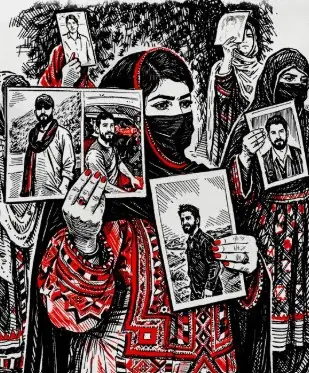
Hosted in the German capital, the session was moderated by Sahr Baloch, formerly of the BBC. Key speakers included political expert Rafiullah Kakar and Human Rights Council of Balochistan head Abdullah Abbas. Abbas zeroed in on his province’s plight, where forced vanishings and fake encounters are rampant. ‘Balochistan is a special case,’ he noted. ‘State propaganda has long dehumanized opposition, paving the way for abuses.’
With the constitution already a hollow shell in Balochistan, Abbas warned, this amendment crushes any lingering judicial hope. Linking it to anti-terror law changes, he said they now cloak disappearances in legality – mirroring China’s Uyghur playbook, which he termed institutionalized tyranny.
From a structural lens, Kakar described the amendment as a seismic shift. It curtails courts’ ability to probe executive moves, embedding executive supremacy into Pakistan’s framework.
This legislative maneuver arrives amid escalating tensions in Balochistan, where rights violations persist unchecked. Analysts predict it could fuel unrest, prompting calls for diplomatic intervention to safeguard democratic norms.