
Close Menu
    Facebook X (Twitter) Instagram
    Trending
    • Gold Price Explodes to ₹1.64L/10g Milestone, Silver Hits ₹3.58L/kg Peak
    • Radhakrishnan Hails Murmu’s Far-Sighted Parliament Speech
    • New India-EU FTA: Pharma, Textile Export Boom Ahead
    • U19 World Cup: Australia’s Peak Shines with 109 in Super Six Thriller
    • Tragic Plane Crash Kills Ajit Pawar Near Baramati Airport
    • India Targeted by Pakistan’s Advanced Cyber Campaigns
    • December IIP at 7.8%: India’s Industry Reaches Peak Performance
    • Ajit Pawar Dead in Baramati Jet Crash: AAIB Probes Fiery Disaster
    Facebook X (Twitter) Instagram
    Report Wire
    • World
    • India
      • Chhattisgarh
      • Jharkhand
      • Bihar
    • Entertainment
    • Sports
    • Tech
    • Business
    • Health
    Report Wire
    Home»World»3.7 Million Afghan Children in Grip of Acute Malnutrition: UNICEF

    3.7 Million Afghan Children in Grip of Acute Malnutrition: UNICEF

    World January 28, 20261 Min Read
    Facebook Twitter Pinterest LinkedIn Tumblr Email
    यूनिसेफ
    Share
    Facebook Twitter LinkedIn Pinterest Email

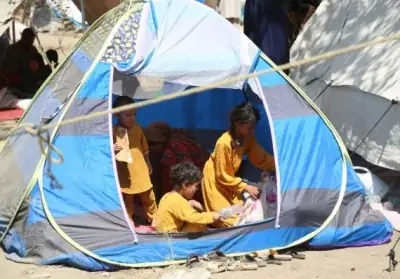
    UNICEF sounds the alarm on Afghanistan’s child malnutrition nightmare, where 3.7 million kids annually endure severe acute cases—one of the globe’s most acute humanitarian disasters.

    At a key event launching revised treatment standards, Representative Tajuddin Oyewale highlighted the urgency, insisting on rapid responses to halt child mortality spikes.

    The crisis has snowballed since 2021, driven by financial ruin, drought devastation, and aid funding gaps. Over 90% of families, as per World Food Programme stats, face food poverty, risking lifelong damage to children’s bodies and minds.

    These guidelines overhaul care strategies, prioritizing ambulatory and inpatient therapies for extreme malnutrition and pioneering support for sub-six-month-olds—a game-changer for infant survival.

    Interlinked factors like entrenched poverty, supply chain breakdowns, remote healthcare voids, and undernourished mothers amplify risks, particularly in countryside regions devoid of clinics. Taliban curbs on female medics add to the chaos.

    UNICEF also flags a parallel literacy collapse: 90% of 10-year-olds can’t parse basic sentences. Post-Taliban rule, 2.2 million teen girls remain school-less amid closures and staffing crises.

    Investing now in primary education and numeracy is non-negotiable, warns UNICEF. Delay means a vicious spiral of malnourishment and uneducation, imperiling Afghanistan’s next generation irreparably.

    Afghan Children Crisis Afghanistan Drought Child Education Crisis Child Malnutrition Severe Acute Malnutrition Taliban Education Ban UNICEF Afghanistan World Food Programme
    Share. Facebook Twitter Pinterest LinkedIn Tumblr Email

    RELATED NEWS

    India Targeted by Pakistan’s Advanced Cyber Campaigns

    January 28, 2026

    13-Year-Old Abducted in Pakistan: Forced Islam Conversion and Wedding

    January 28, 2026

    India-US Security Ties Falter: Quad Pace Slows, Says Top Senator

    January 28, 2026

    Breaking: India-US Launch Anti-Drug Trafficking Forum

    January 28, 2026

    President’s Address to Set India’s Progress Direction: PM Modi

    January 28, 2026

    Why India’s Trade Wins Expose Trump’s Tariff Shortcomings

    January 28, 2026
    -Advertisement-
    © 2026 Report Wire. All Rights Reserved.
    • Terms & Conditions
    • About Us
    • Privacy Policy
    • Contact

    Type above and press Enter to search. Press Esc to cancel.