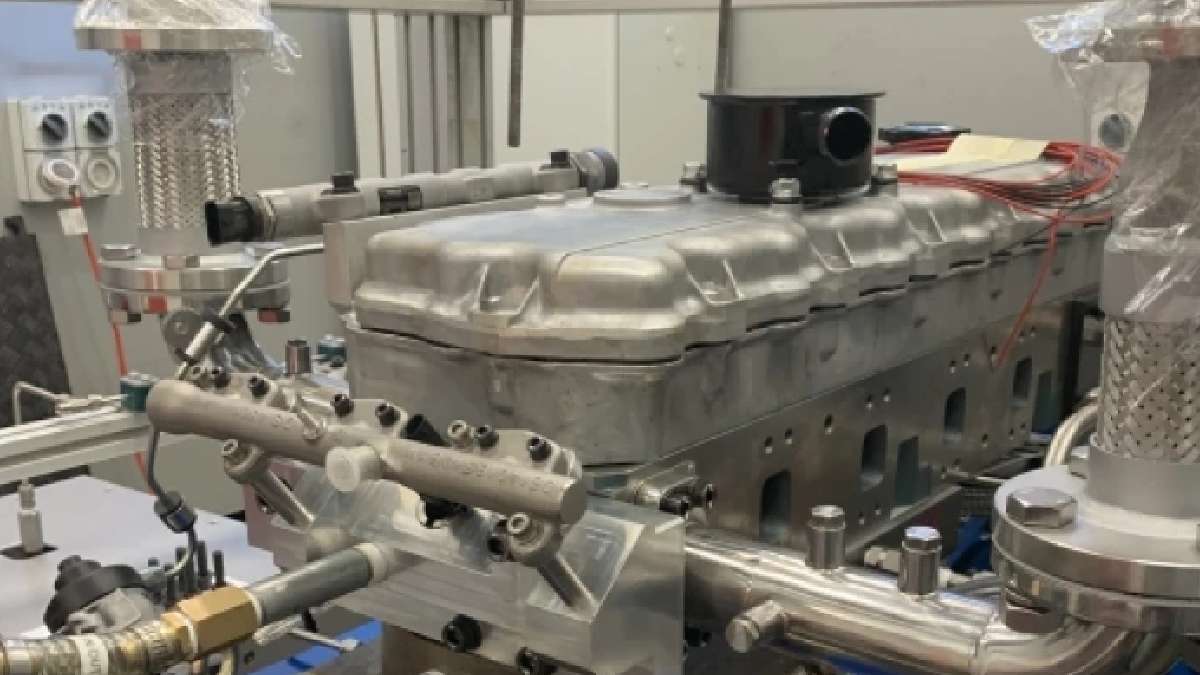

A new technological advancement could revolutionize the way existing diesel engines operate. Researchers at UNSW have developed a retrofit system enabling diesel engines to run on 90% hydrogen, a move that drastically reduces emissions. The system aims to reduce the environmental impact of current assets without the necessity of replacement. The retrofit process involves replacing the existing diesel injection system with a system that injects hydrogen directly into the engine. This design allows for separate control over the timing of both hydrogen and diesel, maximizing efficiency. The system also is capable of processing low-quality hydrogen effectively. Furthermore, it utilizes a stratified hydrogen injection technique to mitigate nitrous oxide emissions. The Indian government is supporting the development of hydrogen processing, which could encourage the widespread use of these retrofit kits. UNSW intends to target fleet and generator operators, such as those in the mining sector, who already have access to hydrogen.