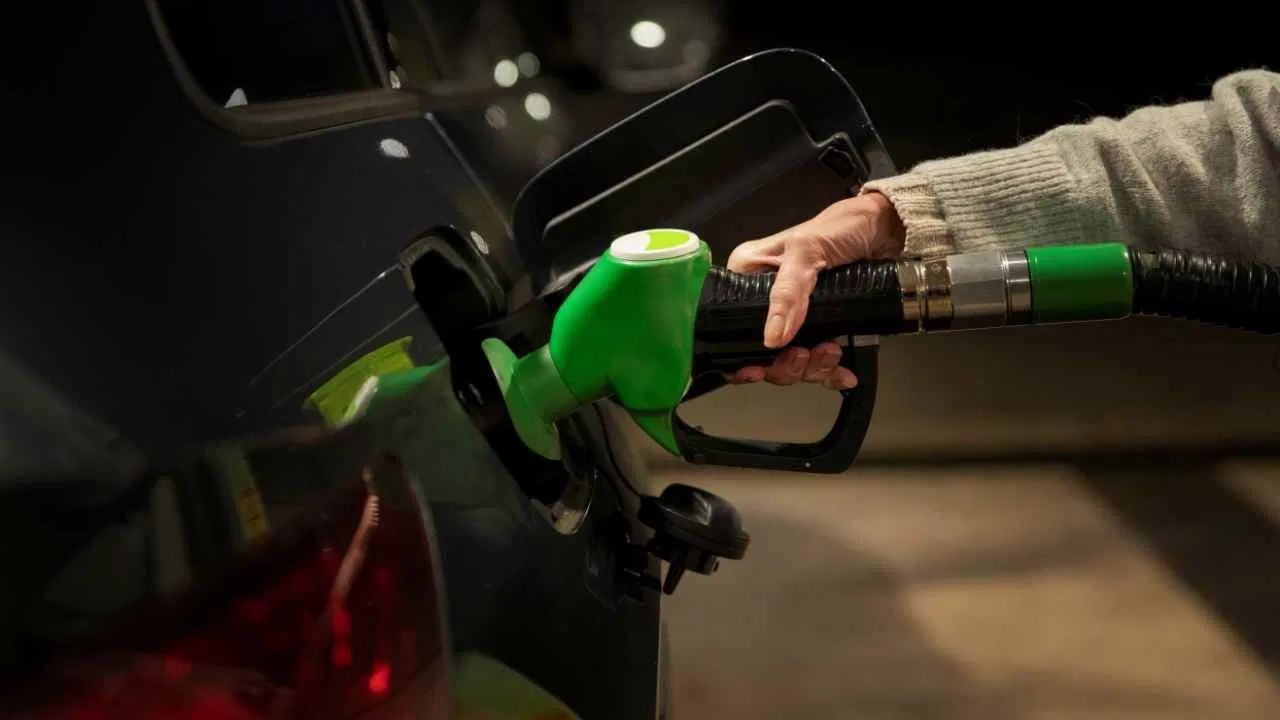

The Indian government’s push for E20 fuel (20% ethanol-blended petrol) aims to cut down on pollution and decrease reliance on imported fuel. Vehicle owners and industry experts have raised concerns that E20 may reduce mileage. A Delhi-based automobile engineer reported a notable decrease in his car’s fuel efficiency after using E20. In its 2021 report, NITI Aayog suggested that E20 should be priced lower than standard petrol to account for its lower energy content. Studies suggest that E20 might decrease the mileage of four-wheelers by 6-7% and two-wheelers by 3-4%. Conversely, the Automotive Research Association of India (ARAI) has not found significant negative impacts from E20 in its studies. The Supreme Court dismissed a Public Interest Litigation (PIL) against E20, based on the central government’s argument that E20 directly benefits sugarcane farmers. The court’s verdict confirms the continuation of the E20 policy, which supports reduced energy imports, increases farmers’ income, and aids environmental protection. The policy is seen as crucial for achieving multiple environmental and economic objectives.