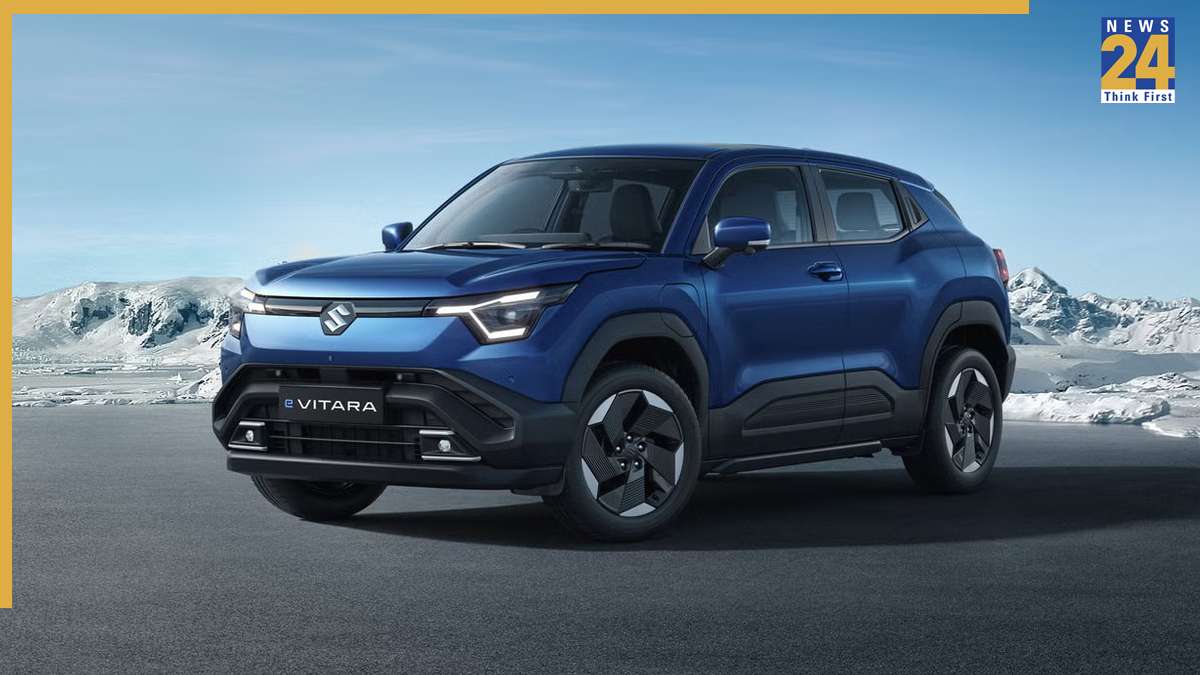

Car buyers are now navigating a new landscape of GST rates, following recent reforms. The GST Council’s 56th meeting introduced changes to the tax structure. Small cars have a reduced GST of 18%, while larger vehicles, including SUVs, now attract a 40% tax. EVs maintain a 5% GST, and auto components are taxed at 18%. The definition of a small car is based on length and engine capacity limits. This shift in tax rates may lead to changes in consumer buying habits, potentially favoring electric cars and hybrid models. Mid-size SUVs are now subject to the same tax rate as high-end vehicles. Automobile manufacturers are expected to revise prices to reflect the new tax structure. These price adjustments are expected to impact various models, from Maruti Suzuki’s Alto and Wagon R to other vehicles from Tata, Kia, and Mahindra. The ultimate effect on the final prices of the vehicles will be unveiled after the price revisions.