

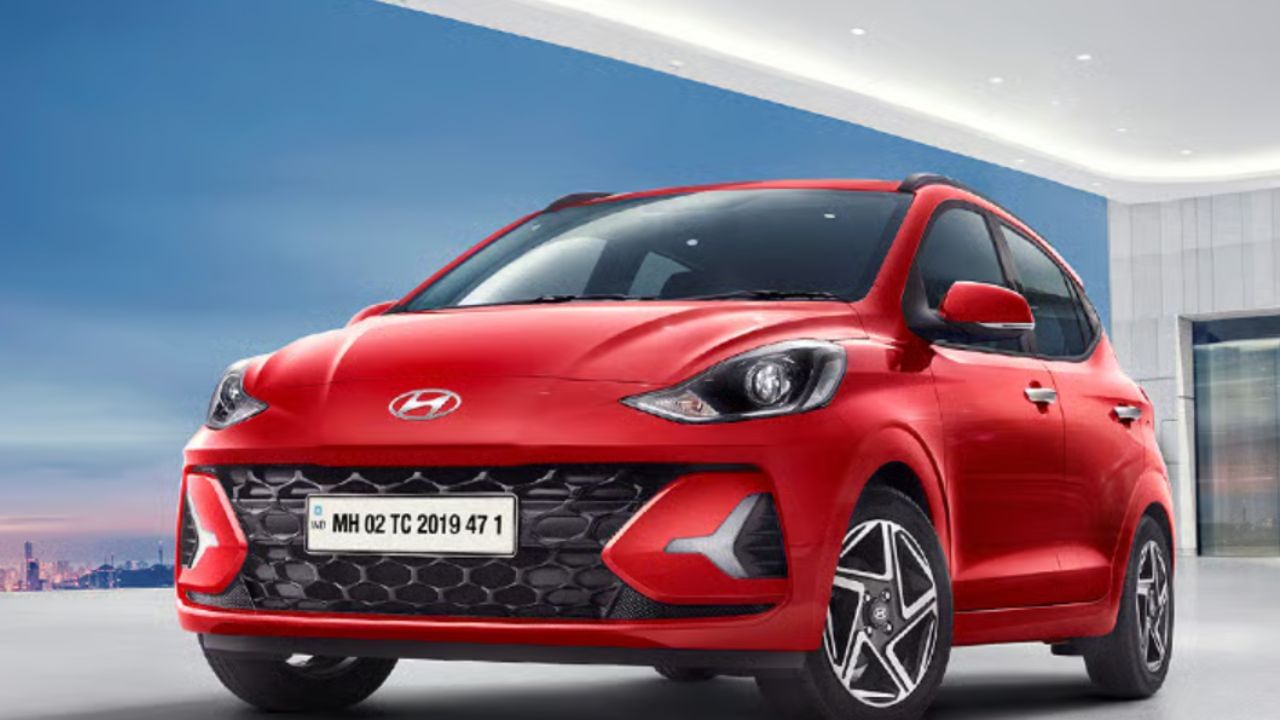
Hyundai Motor India is implementing significant price reductions across its entire model range, starting September 22, 2025. This action allows the company to pass on the advantages of the new GST 2.0 tax structure directly to its customers. Hyundai indicates that price adjustments will reach up to ₹2.4 lakh, based on the specific model and variant. This initiative aims to make car purchases more appealing for new buyers and is expected to stimulate sales during the upcoming festive season.
i20 Price Cut Details: The popular Hyundai i20 premium hatchback sees price reductions of up to ₹85,000. For example, the Magna variant, initially priced at ₹7,78,800, is now available for ₹7,12,385, with a reduction of ₹66,415. The Magna Exe variant also experiences a price drop of ₹50,900, resulting in a new price of ₹6,86,865.
The mid-level Sportz variant sees a price reduction of approximately ₹67,397, leading to a new price of ₹7,74,403. The Sportz (O) and Sportz (IVT) trims also benefit from reductions exceeding 9%. Furthermore, the Asta and Asta (O) versions are more affordable, creating advantages for buyers across all trim levels.
Grand i10 Nios Price Reduction: For budget-focused car buyers, the Hyundai Grand i10 Nios is becoming more accessible. This model sees price reductions of up to ₹71,480.
The Era variant’s price has decreased from ₹5,98,300 to ₹5,47,278, while the Magna variant is now priced at ₹6,25,853. The Sportz Dual CNG trim receives the most significant benefit, with its price dropping from ₹8,38,200 to ₹7,66,720.
Price Reductions in Sedan Segment: The Hyundai Aura, a part of the compact sedan segment, is also included in this pricing adjustment. Reductions range from ₹55,780 to ₹76,316, depending on the specific variant. The base E trim is now priced at ₹5,98,320, and the E CNG variant sees a ₹64,368 decrease. The newly introduced S AMT variant is priced at ₹7,38,812. Top-end variants such as SX CNG, SX+, and SX (O) have also received price cuts, offering better value for new customers.
Expected Boost in Sales for Festive Season: The company believes that these price reductions will generate increased interest, especially among first-time car buyers. Given that the festive season typically brings an increase in new car purchases, these reduced prices are expected to further drive demand.