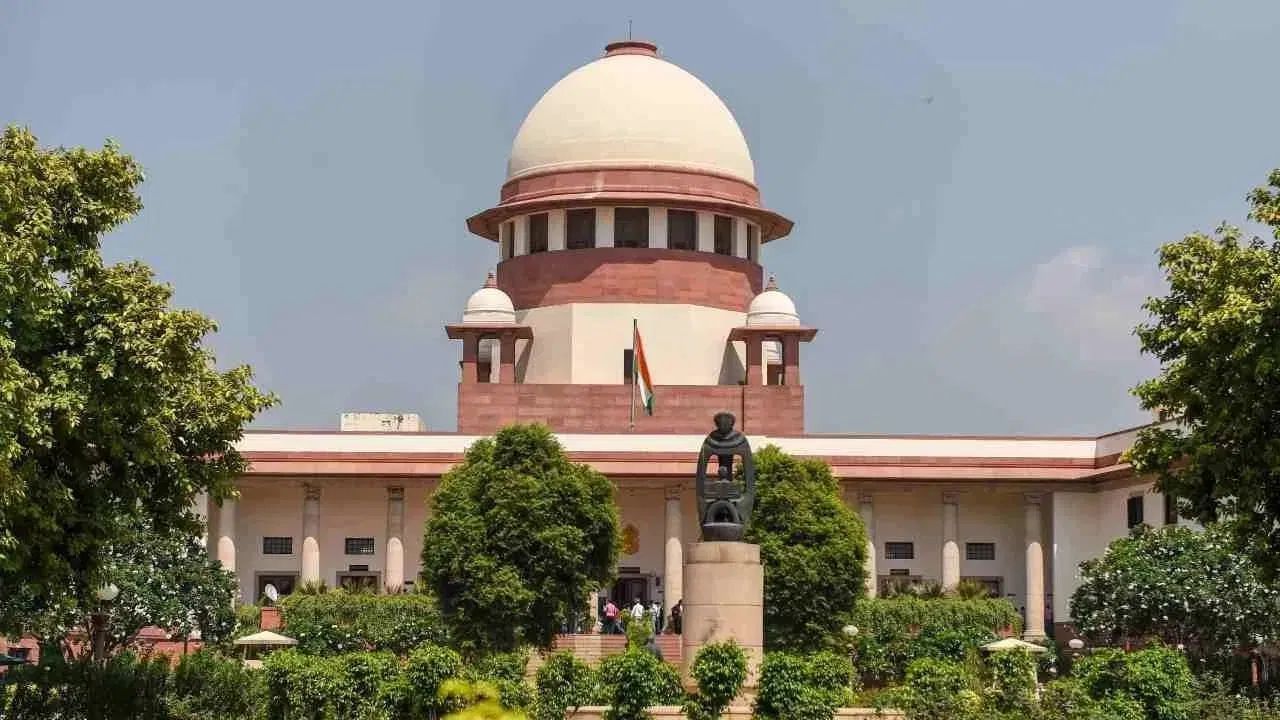

The Supreme Court has rejected a petition that sought to enforce the POSH Act within political parties, concluding that these entities are not considered workplaces. The POSH Act is designed to protect women against sexual harassment in professional settings. The court, led by Chief Justice B.R. Gavai and including Justices K. Vinod Chandran and N.V. Anjaria, stated that extending the POSH Act to political parties could lead to unintended consequences. The ruling came in response to a special leave petition filed by advocate Yogmaya M.G., which challenged a Kerala High Court ruling that stated that political parties were not required to establish Internal Complaints Committees (ICCs) under the POSH Act. The petition argued that the exclusion of political parties from the Act placed women, including volunteers and campaigners, in precarious positions. The court stated that if political parties were deemed as workplaces it would open a Pandora’s box. The court, however, found that political parties did not meet the criteria of a traditional workplace. The Supreme Court chose not to intervene and upheld the decision of the Kerala High Court. The petition aimed to have political parties recognized as employers under the POSH Act, mandating the formation of ICCs. The petition included various political parties as respondents, encompassing a broad spectrum of the Indian political landscape.