

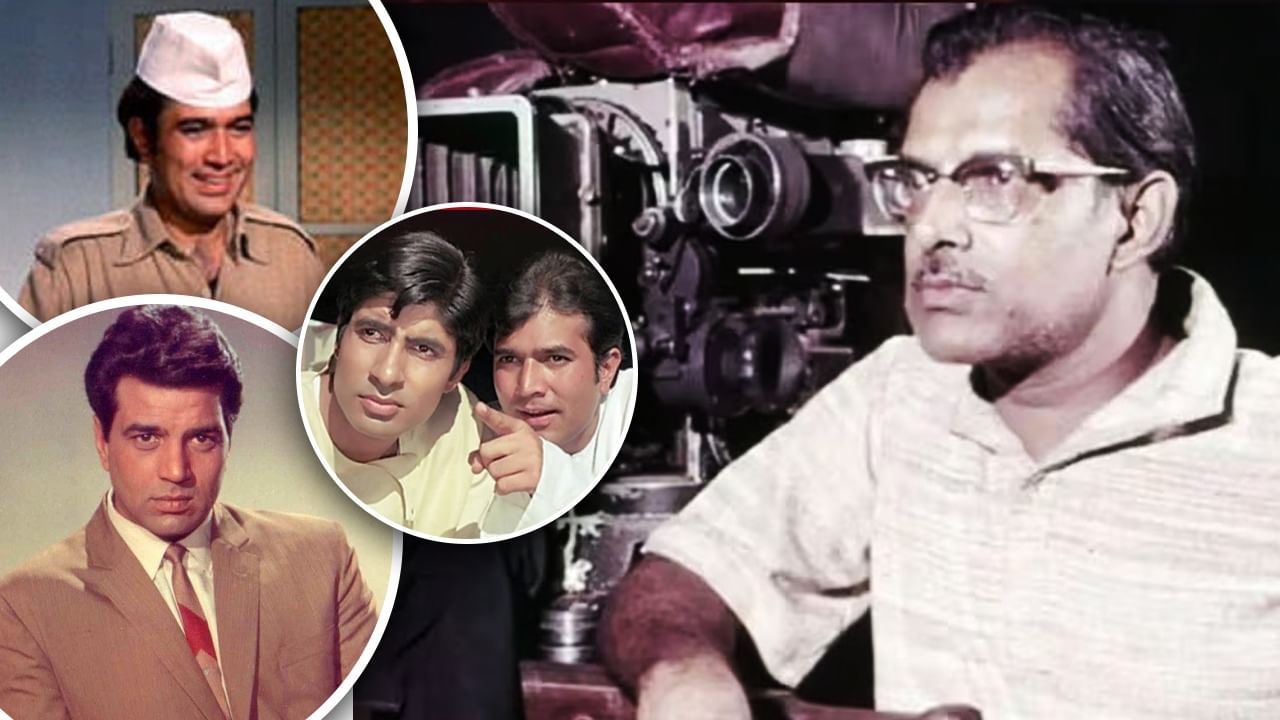
Hrishikesh Mukherjee, a distinguished figure in Indian cinema, stood out for his unique approach. He prioritized compelling storytelling and character development above the glitz of star power. His 1979 film, ‘Golmaal,’ is a perfect example. It was the beginning of a comedic series, featuring actors like Utpal Dutt and Amol Palekar.
Mukherjee’s filmmaking approach was rooted in simplicity and effectiveness, a key to his success. He worked with renowned actors but avoided excessive extravagance, creating films that were celebrated for their artistic merit and commercial success. He prioritized compelling narratives over conventional industry norms.
His central belief was that a superstar’s role should be determined by the script’s requirements, not the other way around. This is evident in ‘Anand’ (1971), featuring the then-superstar Rajesh Khanna. A less visionary director may have prioritized Khanna’s popularity. However, Mukherjee was committed to the story and gave Amitabh Bachchan, who was relatively unknown, significant screen time.
The opening scenes of ‘Anand’ concentrate on Bachchan’s character, establishing the film’s emotional core. This bold decision demonstrated Mukherjee’s dedication to character-driven narratives. It was a risk, but it was essential to the success of this cinematic classic.
This unwavering commitment to narrative integrity was a hallmark of Mukherjee’s career. In ‘Namak Haraam’ (1973), he paired Bachchan and Khanna, ensuring that even minor characters received proper respect. He was known for his ability to discover and nurture talent.
Mukherjee acted as a mentor to numerous artists, including Amitabh Bachchan. His influence extended beyond the actors, as he played a significant role in shaping the careers of others.
He was a father figure to many, cultivating a collaborative atmosphere on set. His focus remained firmly on the narrative’s core. He favored a naturalistic style that rejected the usual cinematic conventions.
Mukherjee’s films were distinguished by their simplicity and focus on everyday life. Born in Kolkata on September 30, 1922, he had a background in mathematics and science. He was influenced by filmmakers like P.C. Barua and Bimal Roy, learning his craft in cinema.
When Bimal Roy moved to Mumbai, Mukherjee and his colleagues joined him. Mukherjee served as the assistant director and editor on films like ‘Do Bigha Zamin’ and ‘Devdas.’ He developed a unique style, combining social commentary with a focus on family and everyday life. He also worked with actors like Dilip Kumar, Raj Kapoor, Dev Anand, and Guru Dutt.
Hrishikesh Mukherjee’s legacy is reflected in his timeless films. Dharmendra, Rajesh Khanna, and Amitabh Bachchan credit him with defining their careers and giving them iconic roles. Unfortunately, many believe the magic of his storytelling didn’t continue after his time.