

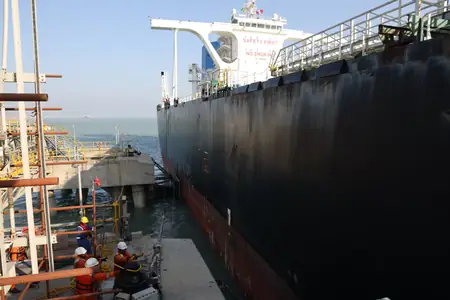
Adani Ports made headlines with a groundbreaking event at Mundra: the arrival of India’s first fully laden VLCC, loaded with crude oil straight from international waters. This feat eliminates lighterage, streamlining imports and cutting costs dramatically.
The supertanker, displacing millions of tonnes, navigated Mundra’s deepened channels to berth directly. Years of engineering marvels— including massive dredging and precision quay construction—have equipped the port for such giants. Mundra now joins an elite global list capable of full VLCC operations.
For context, traditional Indian ports often require ships to offload partially offshore due to draft limitations, inflating expenses and delays. Mundra’s 20-meter draft shatters this barrier, promising faster turnaround and higher throughput for oil majors.
Adani’s strategic foresight shines through. As India’s cargo handling leader, the group has poured resources into Mundra, turning it into a liquid bulk powerhouse. Annual capacity for oil and products exceeds 50 million tonnes, with room for growth.
The event drew praise from across sectors. Refiners anticipate cheaper feedstock logistics, while shippers welcome reduced demurrage. ‘A pivotal step for energy independence,’ noted an executive from a top oil trading firm.
Future plans include smart port tech like automated mooring and AI-driven traffic management. Coupled with refinery linkages, Mundra could redefine India’s oil import dynamics, supporting economic resilience amid volatile markets.
This isn’t just a docking—it’s a declaration of capability. Adani Ports continues to redefine India’s port ecosystem, fostering trade, jobs, and infrastructure supremacy.