

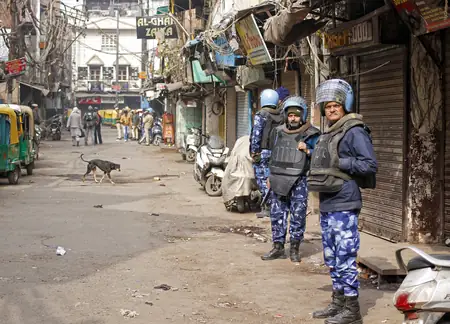
Intensifying their dragnet, Delhi Police have arrested a sixth individual in connection with the explosive stone-pelting episode at Turkman Gate, a move that propels the investigation into high gear. The suspect was hauled in from a hideout after a tipster’s intel, capping a day of dramatic pursuits across the labyrinthine alleys of Old Delhi.
The violence erupted during an anti-encroachment bulldozer action, transforming a bureaucratic routine into a battlefield. Stones rained down on helmeted officers, shattering windscreens and sparking retaliatory lathi charges. The toll: multiple injuries, torched two-wheelers, and a neighborhood on tenterhooks, all captured in raw footage that fueled outrage online.
Described as a ringleader by investigators, the latest detainee allegedly coordinated the assault via group chats and was armed with crude weapons. Digital forensics and witness statements have been instrumental, with police vowing to dismantle any organized resistance. A top brass update confirmed: ‘The probe is progressing rapidly; expect more detentions soon.’
Local sentiments are mixed—some hail the police action as necessary for law and order, while others decry it as overreach amid cries of ‘save our homes.’ NGOs have stepped in, offering legal aid and pushing for humane alternatives to demolitions. Security blanket now covers the zone, with checkposts and community outreach programs underway.
This chapter in Turkman Gate’s turbulent history highlights the friction between preservation efforts and population pressures in colonial-era pockets. With charges under serious IPC sections looming, the case could set precedents for handling similar flare-ups, urging policymakers to rethink strategies for sustainable urban harmony.