

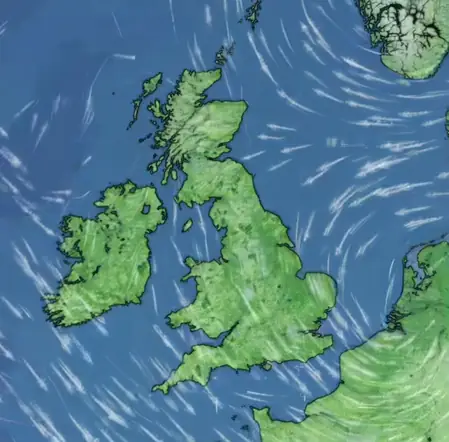
Storm Gorenti, dubbed a ‘weather bomb’ for its sudden and violent intensification, struck Europe hard on January 8-9, 2026, transforming the Atlantic’s wrath into a multi-front assault on Britain, France, and beyond. The UK Met Office’s red alert – reserved for the gravest threats – blankets Cornwall and the Isles of Scilly, with 100 mph winds poised to wreak havoc.
Amber warnings highlight perilous snow accumulations up to 30 cm across central England and Wales, while yellow alerts flag intense rains and gales everywhere else. Maritime zones face rogue waves endangering shipping.
The fallout on infrastructure is catastrophic: flights grounded at major hubs like Heathrow, where British Airways axed over 50 operations; trains derailed from schedules; highways impassable under snowdrifts. France’s Ile-de-France region mirrors the mayhem, with public transit frozen solid.
This storm’s scale has climatologists sounding alarms, linking its ferocity to broader atmospheric shifts. Emergency teams deploy sandbags, generators, and rescue units preemptively. Communities hunker down, schools shutter, and businesses halt as the tempest howls. In its wake, Gorenti demands reflection on resilience against escalating superstorms, with long-term preparations now imperative.