

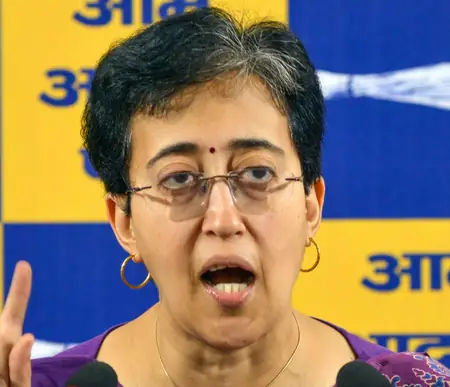
Tensions simmer in Jalandhar after Punjab Police filed an FIR against a key AAP leader for posting an altered video that misled the public. The episode exposes vulnerabilities in online political discourse and prompts calls for stricter regulations.
Details reveal the video was meticulously edited to include fabricated statements, shared strategically to garner support and undermine adversaries. A detailed forensic report submitted to authorities confirmed the manipulations, triggering the legal complaint.
This development arrives at a sensitive time for AAP, which has positioned itself as an anti-corruption crusader. Critics argue the irony is stark, as the party now grapples with internal accountability issues.
Law enforcement acted decisively, registering the case under cybercrime and IPC clauses dealing with forgery and public mischief. Investigators are delving into the video’s origin, sharing patterns, and intent behind the dissemination.
Local media coverage has amplified the story, with debates raging on television panels about the ethics of digital warfare. Punjab’s Director General of Police reiterated commitments to safeguarding cyberspace from political misuse.
The implicated leader’s supporters claim it was a harmless edit for emphasis, but legal experts dismiss such defenses as untenable. As subpoenas fly and evidence mounts, the political cost could be substantial.
In conclusion, this Jalandhar FIR marks a pivotal moment in tackling edited media threats. It urges political entities to prioritize truth over tactics, fostering a healthier information ecosystem for voters.