

A brewing constitutional crisis has landed in the Supreme Court after Kolkata Police reportedly barred Enforcement Directorate teams from raiding I-Pac, the data-driven powerhouse steering Trinamool Congress campaigns. The ED has labeled the obstruction a direct challenge to its statutory authority.
Details emerged from the November raid attempt, where federal agents were denied access despite valid warrants. Police barricaded the entrance, leading to a prolonged deadlock resolved only after higher-ups intervened – without ED gaining entry. This incident ties into ongoing PMLA cases against Abhishek Banerjee, targeting alleged laundering from corrupt recruitments.
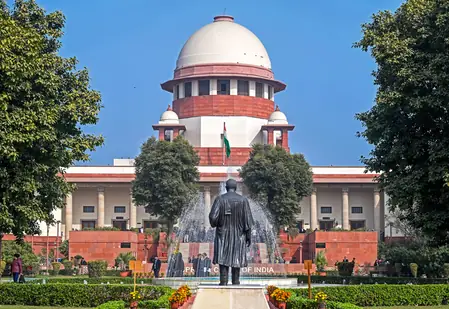
Presenting before Chief Justice DY Chandrachud’s bench, ED advocates stressed the gravity: ‘Such impunity erodes rule of law and protects the guilty.’ They cited Section 160 CrPC and PMLA provisions empowering raids without prior state nod. The court, recognizing urgency, has fixed rejoinder hearings soon.
I-Pac’s role in Bengal politics is pivotal – from 2021 Assembly sweeps to municipal wins, its analytics dissected voter moods with precision. Investigators now hunt for digital trails of illicit payments masked as consultancy fees, potentially involving overseas transfers.
West Bengal’s dispensation counters that ED overreaches, lacking specific intel for the sortie. Political analysts see this as classic pre-poll brinkmanship, with Mamata Banerjee’s administration flexing muscles against perceived BJP witch-hunts.
Historically, similar blockades in opposition states have triggered SC scrutiny, often favoring agency independence. Should the court rule against state interference, it could streamline national probes, curbing politicized hurdles and bolstering anti-corruption drives.