

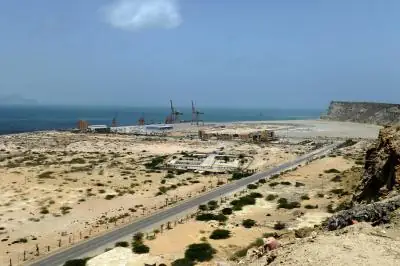
Pakistan’s dream of leveraging its mineral and energy riches is under siege. Khyber Pakhtunkhwa and Balochistan, home to hydropower giants, rare earths, massive copper-gold deposits, coal seams, and Gwadar port’s promise, are witnessing unprecedented bloodshed. 2025’s violence tally—3,417 dead, up 34% from 2024—makes it the worst year in ten, with roots tracing back to 2021’s Afghan Taliban resurgence.
Think tank reports highlight a dire concentration: 96% of fatalities and 93% of attacks in these provinces. KP’s death count exploded by 44% to 2,331; Balochistan climbed 22% to 956. Security apparatus took the heaviest hits, with 374 troops and 216 policemen slain.
Leading the charge is TTP, trailed by BLA, BLF, and ISIS offshoots, all with track records of assaulting key assets like Chinese investments and power grids. The pattern warns of broader economic sabotage ahead, as militants pivot from direct confrontations to lucrative targets.
This isn’t just a security footnote; it’s an economic alarm. Structural instability defies quick fixes, demanding holistic strategies to safeguard investments. Pakistan must confront this head-on to unlock its subsurface treasures and fuel sustainable growth.