

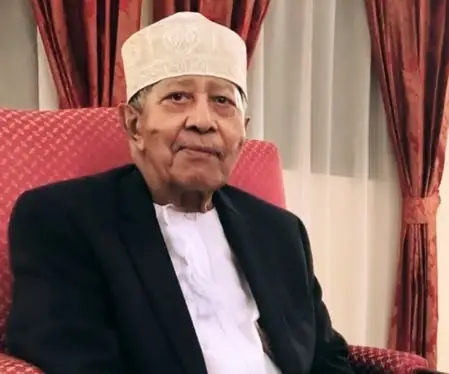
As protests rage across the world, revisiting the Zanzibar Revolution reveals the raw mechanics of regime change. Once a notorious slave market under Omani and British sway, the islands boiled over on January 12, 1964, when John Okello’s rebels toppled Sultan Jamshid bin Abdullah’s government in a brutal coup.
The spark? Deep-seated grievances over Arab minority rule despite an African majority. Okello’s forces overwhelmed police outposts and stormed the capital, Stone Town. The sultan fled to safety as his palace fell, ending 200 years of dynastic power.
Enter Sheikh Abeid Karume, installed as leader amid the rubble. The new order brought African empowerment but also terror: pogroms against Arabs and Indians led to mass killings, rapes, and expulsions. The violence scarred the islands, yet it catalyzed progress.
Months later, Zanzibar merged with Tanganyika, forging Tanzania—a union that stabilized the region. Jamshid, exiled until his death in Oman on December 30, 2024, never returned. In our protest-plagued era, Zanzibar teaches that revolutions succeed through unity and ruthlessness, reshaping nations in their image.