

In the heart of Hindu spirituality lie five transformative holy baths, calendared from Makar Sankranti’s chill to Kartik Purnima’s serenity. These rituals, rooted in Vedas and Puranas, draw millions seeking divine grace yearly.
Makar Sankranti ushers the bathing season. At 4 a.m., pilgrims at Ganga, Yamuna, and Godavari ghats perform tarpan for ancestors. The pontiffs’ arrival amplifies sanctity, with the bath promising health and harvest bounty.
February’s Maha Shivratri focuses on ascetic fervor. Ujjain’s Mahakaleshwar temple sees Shipra River overflows with bathers. Women pray for marital bliss, men for strength, all under Shiva’s third eye’s purifying gaze.
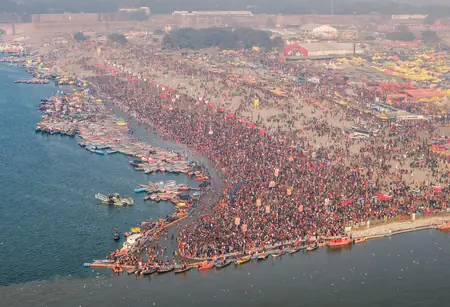
Kumbh Mela’s grandeur peaks with Shahi Snan. Naga sadhus charge into waters first, followed by processions of akhadas. The 2019 Prayagraj event hosted 240 million, underscoring its status as the world’s largest peaceful gathering.
Monsoon heralds Puri’s unique Snana Yatra. Post-bath, deities ‘fall ill’ in a playful tradition, observed in isolation before Rath Yatra. Devotees collect sacred bath water (phita) for miraculous healing back home.
Kartik month’s full moon bath at Manikarnika or Govardhan Lake invokes Vishnu’s protection. Processions, akhand lamps, and collective sankirtan create an ethereal close, preparing souls for winter’s introspection.
These baths transcend hygiene; they symbolize life’s eternal flow, binding generations in sacred rhythm.