

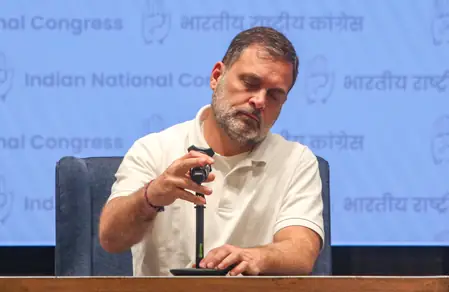
Accusing the Election Commission of deliberately confusing the electorate, Rahul Gandhi has spotlighted the indelible ink controversy as evidence of systemic flaws in India’s voting mechanism. The Congress stalwart’s comments, delivered during a series of campaign events, have ignited a fresh political firestorm.
At the heart of the dispute are allegations that the ink, meant to prevent multiple voting, can be effortlessly removed, potentially enabling fraud. Gandhi hammered home his point: ‘The EC is gaslighting the public. They must come clean on this tampering threat.’ His party has submitted formal complaints, demanding forensic analysis of the ink composition.
BJP’s riposte was swift and stinging. A party spokesperson mocked Gandhi’s outrage as ‘performance art,’ reminding audiences of past Congress-led governments’ own electoral mismanagement. ‘Instead of fiction, Rahul ji should focus on real issues like development,’ they quipped, bolstering confidence in the ECI’s processes.
Historical context shows similar ink-related murmurs during previous polls, often resolved without widespread impact. Yet, in today’s hyper-connected era, social media amplification has elevated this to national discourse. Civil society groups are split, with some backing calls for alternatives like electronic verification enhancements.
As the dust settles—or doesn’t—this clash highlights enduring fault lines in Indian politics. The ECI, tasked with upholding electoral sanctity, faces a litmus test. Gandhi’s gambit may galvanize his base, but it risks alienating moderates if proven overblown. Ultimately, transparent resolution will be key to restoring faith in the world’s largest democracy.