

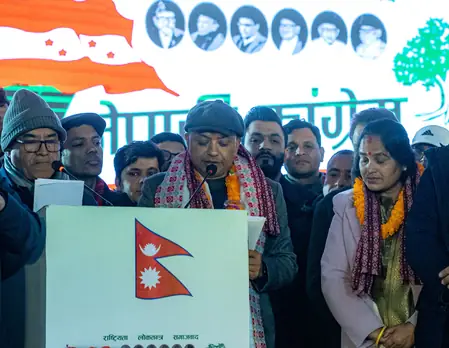
Nepal’s Election Commission delivered a game-changing ruling on January 17, affirming Gagan Thapa’s committee as the official helm of the Nepali Congress mere days after its public rupture. While Thapa’s faction erupts in triumph, Deuba loyalists fume, promising a wave of protests nationwide and hinting at courtroom showdowns.
Under Acting Chief Ram Prasad Bhandari’s gavel, the commission dissected the special convention’s legitimacy. By majority consensus—despite one nay vote—it upheld Thapa based on robust constitutional evidence. The party’s charter allows 40% of delegates to trigger such a session, which they did amid central committee foot-dragging. Delegates’ supremacy renders their choices unassailable, and no objections tainted the process.
Fresh from the decision, Thapa broadcast a unifying message: ‘The commission has spoken true to law and constitution—no debate there.’ He committed to party revival, sought cross-faction support, and paid tribute to Deuba, aiming to mend fences.
Deuba’s side, undeterred, voiced fury and convened an emergency central committee huddle Saturday at Sanepa headquarters. Having already warned of demonstrations, they stand ready to resist. The commission clarified that non-conformists could launch a fresh party registration.
Fallout from this could intensify Nepal’s political gridlock, particularly risking March election timelines if lawsuits ensue. The Nepali Congress, long a democratic bulwark, now faces existential tests that may fragment its voter base and alter opposition dynamics.
As Kathmandu buzzes with speculation, Thapa’s ascent signals a generational shift, challenging entrenched figures like Deuba. The coming weeks will reveal if dialogue prevails over discord, or if Nepal’s politics plunges deeper into factional wars with voters caught in the crossfire.