

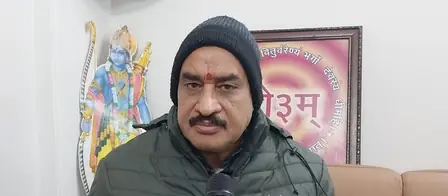
Concerns over Bangladesh’s slide into anarchy reached a fever pitch as VHP spokesperson Vinod Bansal branded it a fortress for terrorists, separatist militants, and Hindu resistance fighters. Delivering a meticulously argued critique, Bansal backed his claims with a timeline of incidents that expose Dhaka’s complicity in regional mayhem.
From 2023 onwards, patterns emerged: Safe houses in Chittagong sheltering ISI-backed operatives, funding streams to Indian radicals, and open calls for ‘bleeding India dry.’ Bansal linked these to state-sponsored inaction, post the Sheikh Hasina government’s fall.
Northeast India’s woes amplify the threat. Separatist leaders, once on the run, now dictate from Bangladeshi hideouts, smuggling sophisticated weaponry. Meanwhile, Hindu communities face pogroms—temples razed, women assaulted—sparking armed self-defense groups that Bansal hails as ‘freedom warriors.’
India’s response has been proactive: Beefed-up BSF deployments, tech-driven monitoring, and intel-sharing pacts. Yet Bansal insists more is needed—sanctions, extradition demands, and public shaming of enablers.
Broader implications loom large. Economic corridors like the India-Bangladesh friendship pipeline risk sabotage, while refugee influxes strain resources. VHP’s clarion call aims to awaken policymakers from inertia.
In conclusion, Bansal’s exposé is a wake-up siren. Ignoring it could embolden adversaries, fracturing South Asia’s delicate peace. Time for decisive measures to reclaim security.