

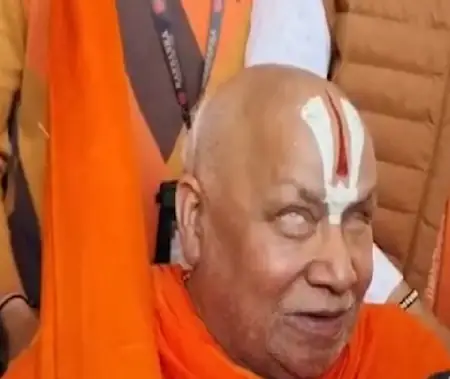
The Sangam Ghat protest by Swami Avimukteshwaranand has drawn a pointed response from Jagadguru Rambhadracharya, who refutes narratives of police high-handedness. On the heels of Mauni Amavasya’s denied procession and subsequent devotee-police friction, the swami received an official notice probing his Shankaracharya credentials—a move now defended by the eminent scholar-saint.
‘They say injustice happened to him, but truth is, he inflicted it himself,’ Rambhadracharya remarked. He clarified that Prayagraj protocols strictly regulate access to the holy site, mandating foot travel over group marches. Police enforcement was routine, he noted, mirroring his own practices during sacred baths.
Elevating the debate, the Jagadguru highlighted his stature: ‘I am Jagadguru; he hasn’t attained even that.’ Prior saintly voices have similarly challenged Avimukteshwaranand’s legitimacy, viewing his anti-government rhetoric as a ploy that benefits adversaries of Hinduism.
The plot thickens with Digvijaya Singh’s parallel broadsides. In Madhya Pradesh, the Congress leader decried RSS-fueled Hindu Rashtra dreams as antithetical to India’s mosaic—Christians, Muslims, Sikhs included. He further contended ‘Hindu’ stems from Farsi mispronunciation of ‘Sindhu,’ advocating ‘Sanatani’ instead.
Rambhadracharya didn’t mince words: ‘Digvijaya knows nothing of Shastras.’ This clash illuminates broader tensions, where spiritual purists confront political reinterpretations of identity and faith.
As the dharna persists, Rambhadracharya’s intervention signals a call for introspection among ascetics: respect traditions, heed laws, and shun provocations that erode communal harmony. The episode at Sangam may well redefine contours of religious entitlement in contemporary settings.