

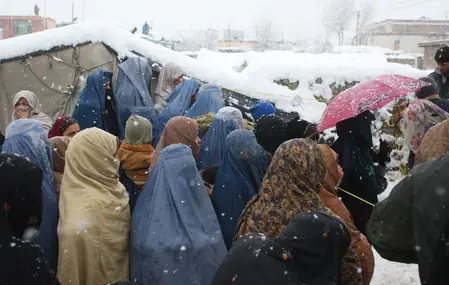
In a double blow to Afghanistan, ferocious snowstorms and heavy rains have killed 11 people and injured three, while a refugee influx from Pakistan heightens the humanitarian strain. Thursday’s briefing from the National Disaster Management Authority underscored the mounting crisis in several key provinces.
Communities in Parwan, Wardak, Kandahar, Jowzjan, Faryab, and Bamyan are hardest hit, with initial dispatches from local officials detailing the scope of destruction. Families there confront not just loss of life but shattered homes and herds.
Nine residences sustained damage from the tempest, and 530 heads of livestock were lost—a devastating hit to pastoral economies. Road blockages from frozen precipitation have hampered aid delivery, though crews are deployed for round-the-clock clearance.
Weather patterns shifted dramatically Wednesday, blanketing regions in snow and deluge. Forecasts warn of persistence, signaling extended peril for travelers and isolated villages.
Parallel to this, MSF’s January 7 alert spotlighted the perils of deportees from Pakistan landing in winter-ravaged Afghanistan. Temporary shelters fail to provide refuge, water, sanitation, or nutrition, imperiling undocumented individuals, cardholders, and temporary registrants alike.
‘Fear grips Afghan families over return and expulsion,’ stated MSF’s Shou Weibing from Pakistan, urging amplified international aid. The group cautions that unchecked, winter’s grip may silently extinguish vulnerable lives en masse.
As Afghanistan grapples with these intertwined threats, coordinated responses from local and global entities are critical. Enhancing disaster preparedness, bolstering refugee support, and fortifying infrastructure will be pivotal to mitigating such recurrent disasters in a climate-altered future.