

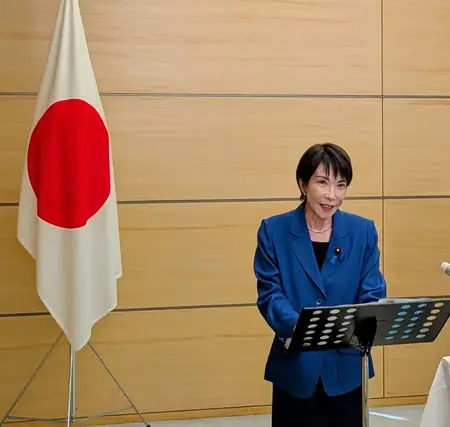
Breaking from tradition, Prime Minister Sanae Takaichi on Friday dissolved Japan’s House of Representatives right at the parliamentary session’s kickoff, scheduling a general election for February 8. This unprecedented step in six decades underscores the high stakes in Japanese politics today.
Inflation dominates the agenda, with families reeling from food price surges. Ruling parties propose suspending consumption taxes on edibles; opposition goes further, demanding abolition on all goods. LDP’s past slush fund controversies have made transparency in politics a flashpoint, joined by debates on immigrants and tourists.
Since taking helm in October 2025, Takaichi has enjoyed strong cabinet approval but struggles legislatively without solid majorities. She frames the election as essential to gain voter endorsement for her premiership.
Opposition voices roar in protest, labeling it a ploy to sidestep the fiscal 2026 budget process starting April. Takaichi’s journey from 1993 independent lawmaker to LDP stalwart is legendary: Abe-era cabinet posts, pioneering policy chair role, economic security leadership, and internal affairs record-holder.
Securing LDP presidency with 185 votes against Shinjiro Koizumi in 2024, she now seeks electoral validation. Campaigns will dissect her record amid economic woes, testing if bold dissolution translates to triumph or turmoil.