

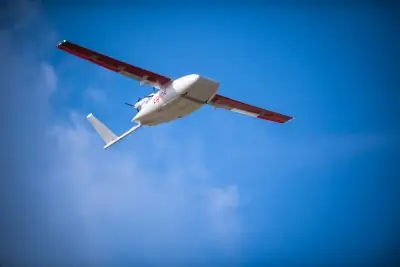
Nagaland is set to soar into the future of healthcare with drone integration following a pivotal MoA signed in Kohima. The pact unites the Nagaland GIS & Remote Sensing Centre under Planning & Transformation with the Health & Family Welfare Department, targeting the state’s toughest health access barriers.
Picture this: drones zipping through misty hills, delivering life-saving drugs to cut-off villages within minutes. This isn’t sci-fi—it’s the new reality for Nagaland’s far-flung regions plagued by poor roads and extreme weather.
Key features include emergency medical drops, outbreak surveillance via high-res imaging, and eco-friendly vector control to curb diseases like filariasis. Geospatial tools will refine health campaigns, predicting risks and optimizing interventions.
The NGISRSC takes charge of drone fleets, skill development, analytics, and legal adherence, complemented by the Health Department’s expertise in logistics and strategic rollout.
Senior Project Director Mhathung Kithan remarked, ‘Drones are game-changers for hilly public health systems.’ Echoing this, Dr. Merennila Senlem, Principal Director, stressed, ‘Enhanced readiness for emergencies will protect our vulnerable populations.’
This forward-thinking agreement underscores inter-agency synergy and tech’s power in governance. For Nagaland’s residents, it heralds equitable healthcare, reducing mortality from delays and empowering communities with proactive medical support.