

Pyongyang’s silence on the Workers’ Party Congress schedule has intelligence circles in Seoul buzzing with theories of a February rollout. After a five-year drought, this congress promises to steer North Korea’s course in economy, defense, and international relations.
Triggering the buzz was December’s party plenary, aimed at crafting visionary blueprints for the coming era. As North Korea’s top policy crucible, the congress will etch directives for the next half-decade, per Yonhap insights.
South Korea’s spooks and officials lean toward an early February start, yet state media offers zero hints – bucking precedent. Past events saw proactive announcements: nine days for the 2016 seventh, a week for the 2021 eighth, plus fanfare for delegate picks.
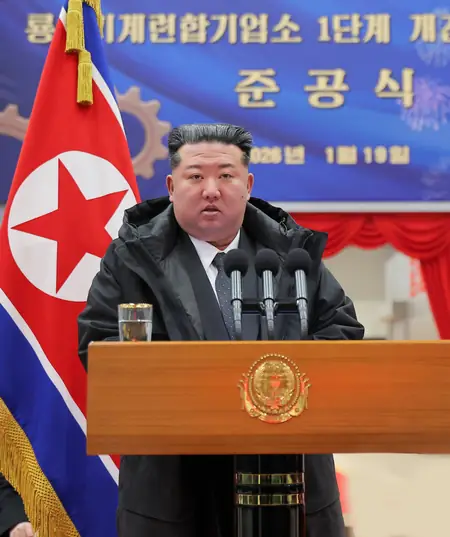
Looking to 2026’s ninth, accelerated timing might prompt swift updates on schedules or selections through elite meetings. Pre-congress fervor is evident: Kim Jong Un axed a machinery-focused vice premier this week for irresponsibility, spotlighting accountability amid economic progress reports.
Official purges and plan promotions paint a regime sharpening its edge. Globally, eyes are glued – could this herald breakthroughs in talks or bolder provocations? Pyongyang’s opacity fuels a narrative of strategic deliberation in turbulent times.