

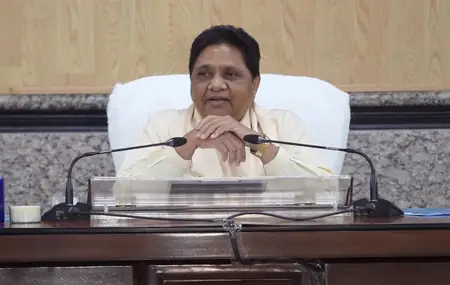
Bahujan Samaj Party president Mayawati delivered a powerful message from Lucknow, condemning the surge in political overreach into sacred domains. Over recent years, she noted on X, elected representatives have ramped up their presence at religious celebrations, pilgrimages, and ceremonies across India, breeding controversy and strife wherever they go.
Such actions, she argued, stem from petty electoral gains and invite inevitable backlash from the public, who feel distressed by the unholy nexus. The flashpoint in Prayagraj exemplifies this malaise. On the auspicious Mauni Amavasya at Magh Mela, Shankaracharya Avimukteshwaranand Saraswati’s procession was halted by law enforcement, who demanded he walk rather than ride in traditional palanquin style. Chaos ensued as disciples clashed with police.
The seer retaliated with a sit-in demonstration at his site. Officials issued stern notices within two days—first challenging his official designation, second interrogating the unrest—threatening mela expulsion. He rebutted both, yet politicians have politicized the standoff, deepening divisions.
“Constitutionally, politics must steer clear of religion,” Mayawati insisted, advocating fulfillment of duties with integrity for societal progress. Consensus-driven solutions to the Prayagraj imbroglio would be ideal. On Uttar Pradesh Day, she wished prosperity to all, reinforcing hopes for unbiased leadership.
Her words carry weight in polarized times, cautioning against the toxic blend that historically unleashes conflict. By prioritizing public good over partisan games, leaders can restore faith in democratic institutions and foster inclusive growth for every citizen.