

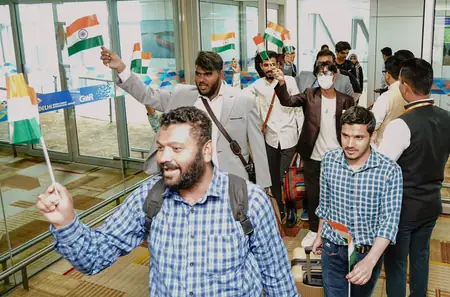
As instability grips Iran, the welfare of Indian medical students there hangs in the balance, prompting a decisive push from the All India Medical Students Association (AIMSA). In a formal letter to the Indian Embassy in Tehran, AIMSA has outlined critical demands: secure passports from reluctant universities and devise robust evacuation plans should threats escalate.
The core issue is stark—passports lodged with universities for administrative purposes are now barriers to escape. Dozens of students, eyeing a return to India amid safety concerns, find themselves grounded. Parental distress mounts with each news bulletin of regional flare-ups.
Prior government advisories have fallen on deaf ears at these institutions, AIMSA notes, turning a manageable situation into a full-blown emergency. The plea is clear: embassy diplomats must step in, coordinating with Iranian counterparts to compel passport handovers and enable voluntary repatriations.
Proactively, AIMSA advocates for worst-case preparedness. Evacuation frameworks tailored for students—many in remote university towns—could prove lifesaving if violence spills over. This isn’t just logistics; it’s a moral imperative for consular protection.
With optimism in India’s diplomatic machinery, AIMSA stands ready to assist. The narrative extends beyond individual fates, raising questions about oversight in high-risk study destinations. Stakeholders watch closely as this humanitarian appeal tests bilateral ties.