

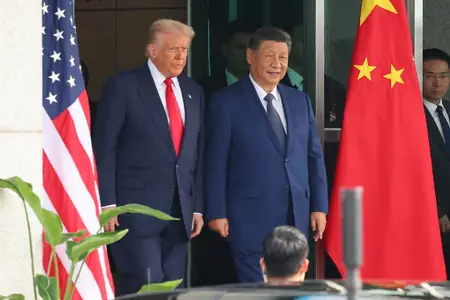
With America’s focus splintered across Venezuela’s political turmoil and Iran’s nuclear standoff, China is quietly—but decisively—broadening its geopolitical reach. Rejecting overt military adventures, Beijing markets itself as a pillar of stability, armed with checkbooks rather than carriers, forging ties through mutual economic gain.
Venezuela exemplifies this shift. The US’s aggressive stance against Maduro underscores efforts to preserve Western Hemisphere primacy. In response, China leverages China-CELAC to flood the region with no-strings investments: highways in Brazil, telecoms in Cuba, power grids across the Caribbean—building dependence without demanding elections.
Iran tells a similar story. As a vital crude supplier, it anchors China’s energy needs. Persistent trade amid sanctions portrays the US as a fickle bully, elevating China as the steadfast trader willing to brave geopolitical storms.
Skeptics abound, though. Beijing’s insistence on Taiwan and Tibet as core interests exposes hypocrisy in its ‘hands-off’ doctrine, prompting wariness from potential partners. Nations from India to Australia eye China’s advances with suspicion, branding them as strategic encirclement.
This isn’t short-term gamesmanship. Analysts liken it to historical precedents where ascending powers—like Soviet Union during Korea or Britain in the 19th century—nibbled at edges of distracted hegemons. China’s endgame: erode US-led institutions, install parallel systems favoring state capitalism and authoritarian resilience. The coming years will test if this gambit yields a Sino-centric order or backfires amid rising pushback.