

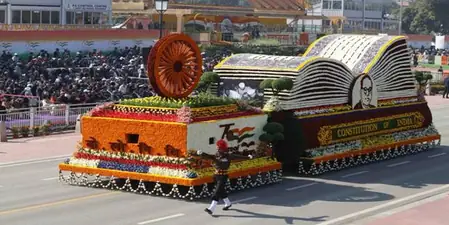
India’s evolution into a republic stands as a testament to visionary leadership and collective resolve. Post-1947 independence, archaic British statutes demanded replacement. The Constituent Assembly, constituted December 9, 1946, rose to the challenge.
On January 26, 1950, the Constitution activated, chosen to honor 1930’s Purna Swaraj proclamation. That day marked the first mass assertion of complete independence, celebrated countrywide against imperial rule.
Tracing back, 1929 resolutions formalized full swaraj as the aim, propelling the struggle beyond piecemeal changes. Assembly proceedings began in Constitution Hall, now Parliament’s heart, with Dr. Rajendra Prasad presiding and Dr. Ambedkar steering the draft.
Ambedkar’s selection stemmed from strategic wisdom. Consensus among Gandhi, Nehru, and others held that his stature would lend unassailable credibility, quashing claims of partisan drafting.
The Herculean labor spanned 2 years, 11 months, 17 days: 11 sessions, 165 days total, 114 on deliberations. Adopted November 26, 1949, it dismantled colonial legal relics, vesting power in elected bodies.
A sovereign democratic republic was born; 1976 amendments infused socialist and secular ethos.
Republic Day evokes profound national unity. Festivities span flag ceremonies to majestic parades. Delhi’s extravaganza on Kartavya Path commences with PM’s homage to martyrs.
The President arrives amid fanfare; flag rises, anthem echoes, guns thunder. Disciplined troops, armored units, aerial flyovers, and state tableaux blend martial splendor with artistic heritage, inspiring awe and patriotism.