
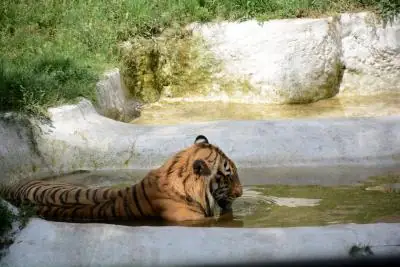
Pakistan’s wildlife enforcers struck a significant blow to the exotic pet phenomenon, rescuing 59 big cats from luxury private farms in Punjab. The seizures reveal a shocking underbelly of privilege-turned-peril, where apex predators become backyard pets.
This enforcement action stems from new provincial rules designed to rein in the private trade and breeding of high-risk species. With public endangerment and welfare violations at the forefront, officials acted decisively against non-compliant owners.
Echoing these concerns, The Nation’s poignant editorial ‘Endangered Ethics’ calls out Pakistan’s hypocrisy. Bound by global conservation accords yet permissive at home, the country has allowed a parallel economy of exotic animal exploitation to thrive unchecked.
Ownership of such beasts signals more than eccentricity – it’s a brazen display of wealth with deadly implications. Far from opulent homes, these farms offer squalor: cramped pens, unreliable vets, and barren environments devoid of natural stimuli. Animals lose their essence, becoming inert status symbols prone to agony and demise.
The fallout – perpetual distress, ailments, and shortened lifespans – indicts a society that must prioritize ethical conservation. Recommendations are clear: ban exotic pets outright, fortify licensing regimes, and build sanctuaries emphasizing recovery over spectacle.
Wild creatures embody our collective natural legacy; commodifying them is both vulgar and hazardous. These seizures herald potential reform, urging Pakistan to transform rhetoric into robust policy for wildlife salvation.