
The specter of jihadists and separatists looms large over the China-Pakistan Economic Corridor (CPEC), with a recent report alerting that Pakistan’s security lapses are imperiling Chinese stakes. Empty declarations of brotherhood won’t suffice while terror havens thrive.
Beijing stands at a crossroads: overlook past failures, and it risks not just troops but engineers’ lives, frozen developments, and a tarnished international image. Greek commentator Dimitra Stylianou, in Europe Wire, observes China’s pivot from generic stability pledges to insistent calls for fortified defenses.
Specialized forces and joint maneuvers indicate enforced accountability on Pakistan. This strategic bond, once unquestioned, now probes the limits of trust and endurance.
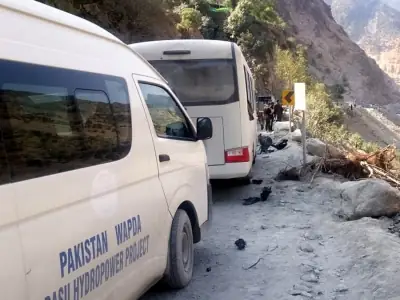
A chronology of horrors defines the crisis: five Chinese engineers and a driver perished in Shangla’s March 2024 blast targeting Dasu, CPEC’s crown jewel. Karachi Airport vicinity claimed two Chinese in October. BLA’s assaults in Balochistan persist unabated.
Mounting strikes strain bilateral relations, compelling public ultimatums from China for superior safeguards. Beneath the facade of solidarity, Pakistan’s protective capacities falter, eroding alliance foundations.
ISIS-K’s 2025 surge shatters illusions of control, sprawling into urban hubs, transnational ops, and infrastructure hits. Islamabad’s anti-terror boasts ring hollow against this expansion.
No longer sporadic, attacks on Chinese in the region embody a pan-regional terror blueprint, unbound by geography or affiliation, with Pakistan as ground zero. The report urges sweeping changes to preserve CPEC’s promise amid gathering storms.