
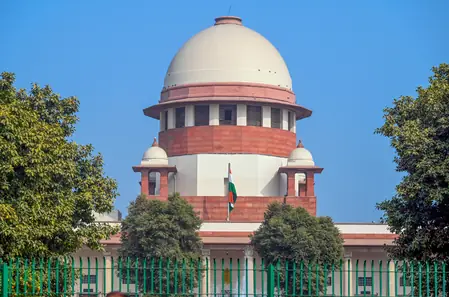
The Supreme Court of India signaled readiness for early hearings on Wednesday in a high-stakes PIL against UGC’s ‘Promotion of Equity in Higher Education Institution Regulation 2026’. Introduced on January 13, the norms require higher education bodies to set up equity panels and implement bias-prevention measures across campuses.
Presented before CJI Suryakant’s bench, the petition prompted a proactive response. ‘We know about this case,’ the Chief Justice noted, advising the petitioner to fix any gaps in the filing. ‘Get the deficiencies sorted; we’ll proceed to hear it,’ he directed.
The core grievance revolves around exclusionary grievance redressal. General category students, the petition claims, are stripped of complaint rights, a privilege reserved for SC/ST and OBC members. This, it argues, amounts to reverse discrimination, breaching equality principles enshrined in the Constitution.
Further, the plea warns of broader fallout: a system that shields certain groups while exposing others risks breeding resentment and campus discord. It demands suspension of the rules, framing caste-linked access denial as unacceptable state action that divides rather than unites.
Echoing prior filings like Rahul Diwan vs Union, this case amplifies calls for reform. With institutions nationwide adapting to the mandates, the Supreme Court’s verdict looms large, potentially reshaping equity enforcement.
This episode highlights the tightrope walk in affirmative policies. As debates rage on fairness versus favoritism, the judiciary’s role as arbiter remains pivotal. The outcome could influence countless academic lives and policy trajectories ahead.