
Close Menu
    Facebook X (Twitter) Instagram
    Trending
    • Breaking: ISRO Debunks Sabarimala Panel Swap in Gold Theft
    • Europe Alerted: Macron on U.S. Greenland Push as Security Threat
    • Greater Noida Horror: Policeman Dragged by Reckless Driver, Video Goes Viral
    • China Accelerates Elite Science-Tech Hubs for 15th Five-Year Plan
    • Governor Patel at AI Manthan 2026: Ethical AI Key to Education Future
    • Premier Li Qiang Hosts Key Clean Governance Summit
    • ED’s Big Move: Seizes ₹1885 Cr from Reliance Group in Bank Scam
    • Sri Lanka T20 Team vs England: Malinga Joins Perera, Chameera Revival
    Facebook X (Twitter) Instagram
    Report Wire
    • World
    • India
      • Chhattisgarh
      • Jharkhand
      • Bihar
    • Entertainment
    • Sports
    • Tech
    • Business
    • Health
    Report Wire
    Home»World»3.7 Million Afghan Children in Grip of Acute Malnutrition: UNICEF

    3.7 Million Afghan Children in Grip of Acute Malnutrition: UNICEF

    World January 28, 20261 Min Read
    Facebook Twitter Pinterest LinkedIn Tumblr Email
    यूनिसेफ
    Share
    Facebook Twitter LinkedIn Pinterest Email

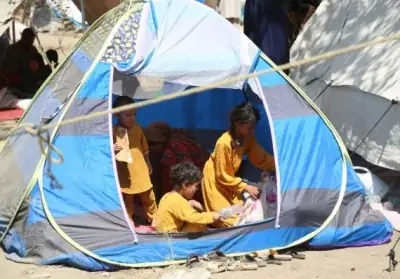
    UNICEF sounds the alarm on Afghanistan’s child malnutrition nightmare, where 3.7 million kids annually endure severe acute cases—one of the globe’s most acute humanitarian disasters.

    At a key event launching revised treatment standards, Representative Tajuddin Oyewale highlighted the urgency, insisting on rapid responses to halt child mortality spikes.

    The crisis has snowballed since 2021, driven by financial ruin, drought devastation, and aid funding gaps. Over 90% of families, as per World Food Programme stats, face food poverty, risking lifelong damage to children’s bodies and minds.

    These guidelines overhaul care strategies, prioritizing ambulatory and inpatient therapies for extreme malnutrition and pioneering support for sub-six-month-olds—a game-changer for infant survival.

    Interlinked factors like entrenched poverty, supply chain breakdowns, remote healthcare voids, and undernourished mothers amplify risks, particularly in countryside regions devoid of clinics. Taliban curbs on female medics add to the chaos.

    UNICEF also flags a parallel literacy collapse: 90% of 10-year-olds can’t parse basic sentences. Post-Taliban rule, 2.2 million teen girls remain school-less amid closures and staffing crises.

    Investing now in primary education and numeracy is non-negotiable, warns UNICEF. Delay means a vicious spiral of malnourishment and uneducation, imperiling Afghanistan’s next generation irreparably.

    Afghan Children Crisis Afghanistan Drought Child Education Crisis Child Malnutrition Severe Acute Malnutrition Taliban Education Ban UNICEF Afghanistan World Food Programme
    Share. Facebook Twitter Pinterest LinkedIn Tumblr Email

    RELATED NEWS

    Europe Alerted: Macron on U.S. Greenland Push as Security Threat

    January 28, 2026

    China Accelerates Elite Science-Tech Hubs for 15th Five-Year Plan

    January 28, 2026

    Premier Li Qiang Hosts Key Clean Governance Summit

    January 28, 2026

    90% in CGTN Survey Blast US for Undermining World Governance

    January 28, 2026

    Open Doors: China Calls Media to 2026 Legislative Meets

    January 28, 2026

    Azar: Holocaust Day Recognizes Jewish Annihilation Attempt

    January 28, 2026
    -Advertisement-
    © 2026 Report Wire. All Rights Reserved.
    • Terms & Conditions
    • About Us
    • Privacy Policy
    • Contact

    Type above and press Enter to search. Press Esc to cancel.