
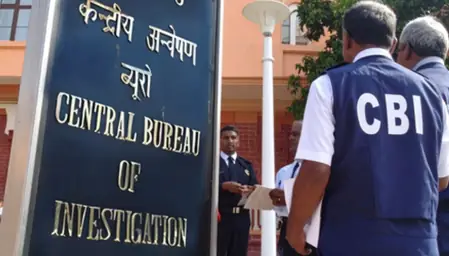
A high-stakes chase across continents ended triumphantly as CBI and Interpol orchestrated the deportation of three notorious figures from India back to Malaysia. The wanted men—Sridharan Subramaniam, Prathifakumar Selvaraj, and Navindran Raj Kumarsan—faced rejection at Mumbai airport, their Red Notices lighting up immigration systems like a flare in the night.
Hailing from organized crime rings accused of pursuing illegal wealth and dominance, these individuals flew in from the UK, unaware their global wanted status had preceded them. Malaysian prosecutors, building cases on structured felonies, sought urgent aid after the entry denial. On January 25, a specialized Malaysian police escort landed in Mumbai, syncing perfectly with Indian teams led by CBI’s NCB.
The Tuesday deportation marked the culmination of this cross-border ballet, executed with precision and without incident. It’s a vivid illustration of Interpol’s Red Notice prowess—a digital dragnet that empowers agencies to locate, hold, and return suspects efficiently under respective jurisdictions.
This victory amplifies India-Malaysia security synergies, proving that unified action trumps isolated efforts against transnational gangs. Stakeholders emphasize how such ops deter would-be escapees, while advancing shared goals in disrupting financial pipelines of crime. As global mobility surges, these alliances stand as bulwarks, ensuring fugitives find no refuge.