
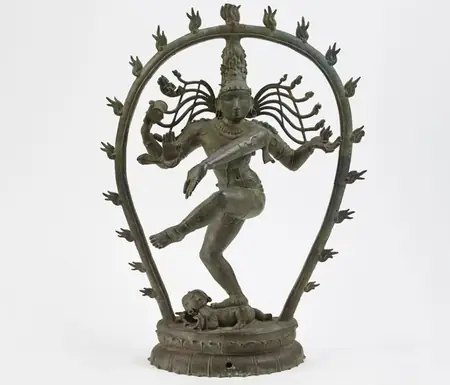
Cultural justice prevails as the Smithsonian’s Asian Art Museum prepares to repatriate three historic bronzes smuggled from Tamil Nadu shrines. The treasures—a 10th-century Chola Shiva Nataraja, 12th-century Somaskanda, and 16th-century Vijayanagara Sundarar with Paravai—epitomize Dravidian artistry, once vital to temple rituals.
Decades of detective work exposed their origins: black-and-white photos from Pondicherry archives placed them in Tamil Nadu temples between 1956 and 1959. ASI’s review confirmed smuggling breaches, leading to this ethical resolution.
Two sculptures return outright to India, while the mesmerizing Nataraja remains on long-term loan, integrated into an exhibition unveiling its full provenance—from sacred pedestal to illicit sale and redemption.
‘We’re dedicated to transparent heritage stewardship,’ asserted director Chase F. Robinson, expressing gratitude to India for the display privilege. The process involved embassy coordination, expert curators, and rigorous document dives into licenses, correspondences, and fakes.
Originally from Tiruthuraipundi temple (1957 photo), the Nataraja reached the museum via a 2002 forged sale from Doris Wiener Gallery. The duo entered through Sackler’s 1987 gift of 1,000 items, tied to specific village shrines.
This repatriation reflects broader shifts in museum accountability, answering India’s decades-long pleas for looted antiquities. At the Smithsonian’s vast campus, it sets a benchmark for provenance research, blending scholarship with moral imperative.