
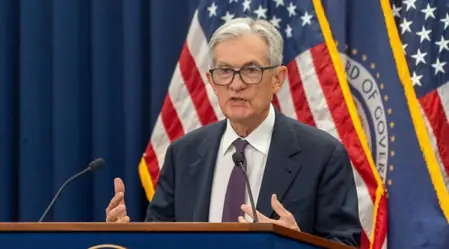
Federal Reserve Chairman Jerome Powell delivered a clear message: America’s inflation woes stem mainly from tariffs on imports, not excessive demand. Delivered amid global economic tensions, his words reshape narratives on U.S. trade strategy.
In his Wednesday address, Powell highlighted goods sector price surges tied to tariffs, contrasting with softening service costs. The FOMC held rates at 3.5-3.75%, balancing persistent inflation against economic strength.
Much of the tariff effect has unfolded, Powell noted, akin to singular price impulses that dissipate over time. PCE metrics show core at 3.0% and overall 2.9% for December’s year, with expectations firmly anchored.
Vigilance on tariff evolution is key; peaks in goods inflation are expected sans new levies. Powell reaffirmed agile policymaking, data-guided per meeting. Growth endures with robust spending and investment, housing aside.
Crucially, tariff inflation differs from demand pressures, easier to control. This holds implications for trade giants like India, where U.S. policies sway supply chains, exports, and capital flows, treated by banks as short-lived unless expectation-shifting.