
Thursday marked a pivotal moment for Indian higher education as the Supreme Court stayed the UGC’s new regulations following heated petitions. The rules under fire—Section 3C—were accused of embedding discriminatory practices misaligned with constitutional principles.
Advocate Vishnu Shankar Jain pressed the bench of Chief Justice Suryakant and Justice Joymalya Bagchi on how the guidelines’ language invites legal action against caste-disclosing students while empowering slanted committees. Deeming merits in the challenge, the apex court halted proceedings till March 19.
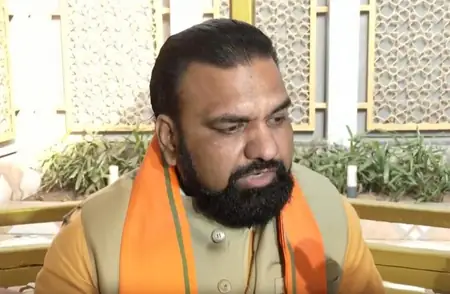
Bihar’s Deputy Chief Minister Samrat Choudhary reacted decisively: ‘Governments honor court mandates without question—this will be no exception.’
Echoing sentiments, BJP figure Sunil Bharala decried the UGC’s framework as a targeted assault on upper-caste scholars, laden with offensive rhetoric. The backlash was universal across castes, fueled by fears of caste-triggered prosecutions and unfair resolutions.
Choudhary dismissed West Bengal CM Mamata Banerjee’s politicization of Ajit Pawar’s passing, affirming family backing and corrective governmental steps. In the land-for-job probe, he stressed deadline-bound trials and total judicial fidelity.
This judicial breather reignites calls for balanced, inclusive policies, with stakeholders eyeing March’s verdict to shape education’s future.