
Bangladesh faces a stark fiscal pivot as the National Economic Council trims the Annual Development Program (ADP) by 12.5%, slashing its size to 208,935 crore taka or 3.3% of GDP from the prior 230,000 crore taka benchmark. Health and education bear the brunt, exposing deep cracks in public spending execution.
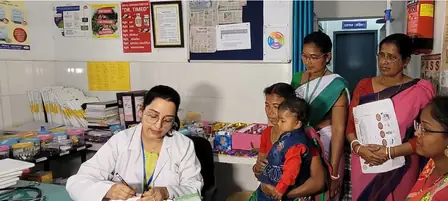
Health funding craters 74% from 18,148 crore taka amid implementation woes, with secondary and higher education trimmed 55% to under half of 28,557 crore taka. Blame falls on tepid spending paces, revenue deficits, sluggish donor funds, and sparse quality projects in the opening half-year.
To salvage year-end targets, NEC reallocates aggressively, boosting local government engineering to 37,534 crore taka for safety nets, poverty programs, infra projects, and local maintenance. The portfolio now features 1,330 initiatives: 1,108 investments, 35 feasibility probes, 121 tech supports, and 66 self-financed by agencies.
Immediate fallout? Life-saving interventions for cancer, renal, and cardiovascular patients hang in balance. Education cuts threaten to swell dropout numbers, imperiling future generations. Though pragmatic for ADP metrics, this strategy sidesteps root causes of social sector inertia.
Policymakers must probe why these essential domains lag—be it bureaucratic hurdles, capacity gaps, or misaligned priorities. Only addressing these will ensure sustainable gains, preventing budget axes from undermining Bangladesh’s social fabric and economic aspirations.