
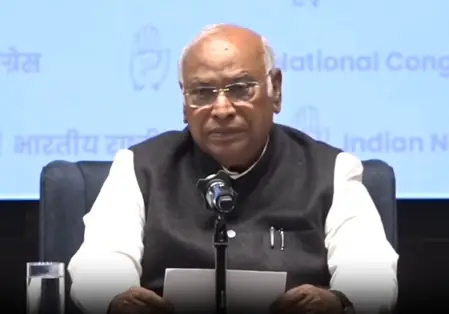
Tensions in political corridors rose as Rouse Avenue Court in Delhi sent a notice to AICC President Mallikarjun Kharge over a 2023 election rally speech deemed inflammatory. The directive demands his reply by the next hearing on February 27.
The saga began with RSS member Ravindra Gupta’s complaint against Kharge’s April 2023 address in Karnataka’s Naregal, where he purportedly vilified the RSS and took personal digs at PM Modi. Gupta argued it fomented discord.
Twice before, courts pushed back: Tis Hazari in November 2024 and another in December refused to proceed or register an FIR. Persistence paid off for Gupta, whose sessions court challenge breathed new life into the petition.
Kharge, known for his straightforward style, now navigates this legal hurdle. Congress insiders call it harassment, pointing to selective targeting of their leaders.
In the larger canvas of Indian democracy, this reflects the weaponization of law against dissent. Courts must discern genuine threats from robust debate, especially in high-stakes elections.
Stakeholders await Kharge’s rebuttal, which may frame the speech as routine criticism. The verdict could ripple through political speech norms, reminding leaders of accountability in public forums.