
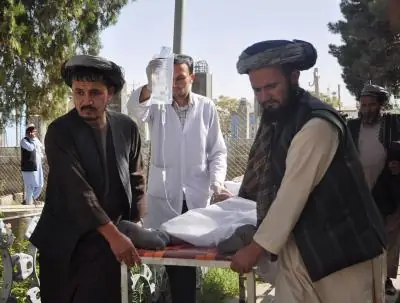
In a stark warning, the United Nations has outlined a dire health outlook for Afghanistan through 2026. OCHA’s latest assessment points to 14.4 million people needing medical services, but only half that number—7.2 million—stand to benefit from ongoing schemes. This projection, shared via local media Thursday, paints a picture of unrelenting suffering.
The breakdown is heartbreaking: 54 percent children, 24 percent women, 10 percent disabled. Over $190 million in donations is essential to bridge the shortfall, testing the resolve of international funders.
Come 2026, the nation will still dominate global humanitarian needs, sustaining 22 million aid dependents. Vaccination campaigns, maternal support, and emergency responses are being accelerated by UN bodies and NGOs alike.
Parallel to this, UNICEF highlighted Tuesday Afghanistan’s child malnutrition meltdown, with 3.7 million acute cases each year. Triggers include 2021’s economic crash, arid conditions, and waning aid flows. WFP stats show 90-plus percent of families food-insecure, dooming kids to lifelong deficits.
New guidelines unveiled by Representative Tajuddin Oyewale prioritize severe interventions and under-six-month infant protocols, heralding a potential shift in combating the scourge. Optimism surrounds their role in boosting survival amid crisis.
Factors fueling child wasting—poverty, hunger pangs, healthcare voids, maternal deficiencies, rural isolation, and female worker bans—create a perfect storm. The path forward hinges on dismantling barriers and amplifying aid, lest Afghanistan’s youth pay the ultimate price in a cycle of deprivation.