
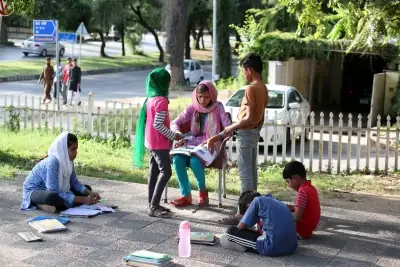
Pakistan faces a silent education emergency: girls thriving in primary school suddenly vanish thereafter, victims of systemic neglect. An in-depth report spotlights the ‘invisible wall’ at class 5 – far-flung middle schools, unsafe travel, predominantly male teachers, and hesitant families push eager learners aside. The state watches passively as potential is squandered.
In The Express Tribune, Nishat Riaz of Malala Fund Pakistan exposes this as infrastructural failure, not faltering motivation. Girls defy adversity – natural calamities, violence, destitution – to study, only for the system to celebrate enrollments while tolerating mid-journey abandonment.
Riaz skewers the performative politics: shiny new buildings, ceremonial unveilings, glossy photos distract from the core issue. Adolescent girls ghost from rolls when life-altering learning is crucial. The ‘State of Girls’ Education in Pakistan’ report documents primary strides undone by familiar attrition trends: starters with spark systematically sidelined.
Teacher gaps are symptomatic; continuity is the crux. Fewer middle/secondary options mean insurmountable distances, laced with vulnerability, domestic duties, cultural biases, and finances. No nearby schools or protected transport? Education pledges dissolve early.
‘Literacy without leadership skills is a half-measure,’ Riaz warns. Obedience over inquiry keeps girls sidelined. Secondary education bestows real empowerment.
With secondary access worsening, Pakistan risks stunting half its youth. Symbolic gestures won’t cut it – bold investments in accessible schools, women educators, reliable transport, and awareness campaigns are imperative for equitable growth.