
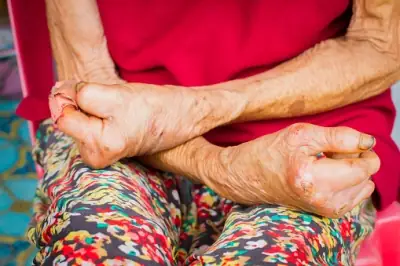
As World Leprosy Day dawns on January 30, India reflects on a curable foe held back by shame. Tied to Gandhi’s death anniversary, the day celebrates his revolutionary empathy for leprosy patients, whom he embraced when society turned away.
The focus remains clear: uproot stigma, spread knowledge, and champion lives free from discrimination for the afflicted.
This bacterial infection from Mycobacterium leprae targets nerves and skin but responds brilliantly to free MDT regimens. Months of treatment heal patients completely if caught soon, sparing them lifelong disabilities.
Alarmingly, modern taboos eclipse medical progress. Myths of instant spread, no cure, or karmic retribution isolate sufferers—kicked out by kin, avoided by communities, stripped of livelihoods, and barred from education.
WHO warns that deep-seated bias blocks healthcare access. Terrified of stigma, people delay visits, complicating cases and risking spread. The mantra from experts: treatment is accessible; societal prejudice is the true scourge.
India pulses with events on this day: village processions, school lectures, clinics, and survivor stories to dispel myths and urge vigilance. Government-WHO partnerships have curbed new detections impressively.
Hosting 53% of global cases, India pushes for leprosy elimination by 2027, bolder than WHO’s 2030 vision. Victory calls for unified action—education, policy enforcement, and compassion to rewrite narratives and heal communities.