
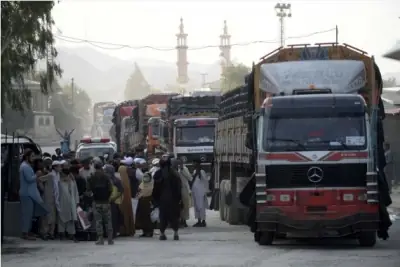
The stalemate at Pakistan-Afghanistan border posts is exacting a heavy economic price, slashing Khyber Pakhtunkhwa’s revenues by over half since October 2025. Provincial leaders are pressing the federal government to step in as trade grinds to a complete stop.
Reports from Dawn spotlight the Infrastructure Development Cess (IDC) collapse: collections nosedived to 3.48 billion Pakistani rupees in seven months, halving from last year’s 7.42 billion. This fiscal hemorrhage threatens infrastructure projects and public services alike.
Chief Minister’s Finance Advisor Muzammil Aslam fired off a missive to Minister Jam Kamal, calling for an emergency conclave of key players. Focus areas: fiscal impacts, trader hardships, trapped funds, and dormant trade routes.
Border closures, Aslam warned, are “wreaking havoc on revenues, growth, and jobs in Khyber Pakhtunkhwa.” Post-court resolution in November, collections resumed tentatively but faltered without trade flow.
Businesses teeter on the edge, cargoes marooned, payments in limbo, and cess compliances out of reach. The trigger: October 2025 clashes lasting eight days between security forces and Taliban, unresolved despite talks.
Tensions spilled into streets on January 4, as Landi Kotal protesters under All Borders Coordinators Council demanded Torkham’s reopening. The diverse crowd—traders, drivers, tribesmen, workers—decried the plight of border-dependent communities.
Orators painted a grim picture: thousands facing ‘economic execution,’ with Torkham as Central Asia’s economic artery nurturing family fortunes. As the standoff drags, the call grows louder for swift diplomatic action to unlock this vital corridor and heal the wounds.