
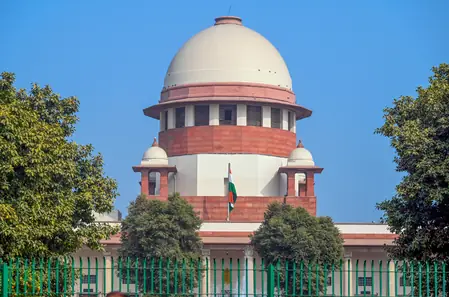
A shocking confrontation at Prayagraj’s Magh Mela has prompted a Supreme Court PIL, filed Friday against police for obstructing and assaulting Shankaracharya Swami Avimukteshwaranand Saraswati’s procession on Mauni Amavasya. The petition paints a picture of constitutional violations that strike at the core of India’s secular fabric.
Advocate Ujjwal Gaur’s filing cites infringements of Articles 14, 21, and 25, backed by disturbing footage of brutality: palanquin halted, disciples beaten, and Brahmin students humiliated by forcible hair-pulling. These acts, the PIL contends, not only hurt religious feelings but also expose lapses in maintaining order without offending faith.
Central to the argument is the unregulated nature of police dealings with saints and acharyas. The lack of a formal SOP fosters caprice, allowing personal biases to masquerade as duty, with severe repercussions for communal harmony.
Relief sought includes a binding SOP for melas, outlining protocols for palanquin entries, bath privileges, and protective escorts for religious heads. It also demands a dedicated portal or cell for rapid resolution of grievances against state oversteps, alongside directives to prevent recurrence of such insensitivities.
The saga began with routine crowd barriers clashing against the Shankaracharya’s traditional route to Sangam. What followed was a tussle, a prolonged protest fast by the seer, and his eventual exit from the mela on January 28 sans immersion. Back in Varanasi, he fired salvos at the government, calling out its alleged patronage of ‘imposter Hindus’.
With the judiciary now seized of the matter, stakeholders from spiritual circles to civil rights advocates are watching closely. This PIL could herald a new era of respectful policing at religious spectacles, ensuring devotion flows unhindered by bureaucratic hurdles.