
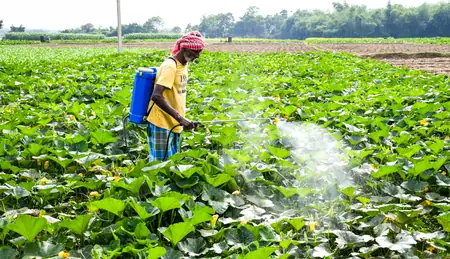
In a bold stance against fertilizer hoarding and black-marketing, India’s central government has escalated its vigilance. For the 2025-26 Kharif and Rabi cycles, 14,692 notices demanding explanations were dispatched, 6,373 dealer licenses were either suspended or terminated, and 766 criminal cases were lodged.
This multi-pronged offensive, executed via joint efforts of fertilizer authorities, agriculture ministries, and local administrations, included door-to-door verifications and enforcement raids. The objective is clear: protect farmers from shortages, promote fair pricing, and fortify the integrity of the pan-India supply chain.
Experts warn that erratic fertilizer use doesn’t just erode soil health—it triggers ecological damage and health hazards. Deficient soils yield substandard crops, stripping essential nutrients from animal feeds and compromising dairy and meat production chains. This vicious cycle threatens the foundational resilience of India’s agrarian economy.
Countering these risks, the administration is aggressively pushing balanced fertilization via the flagship Soil Health Card initiative. It equips growers with soil test data, nutrient profiles, and actionable advice on integrating chemicals, biofertilizers, organics, and soil amendments for each crop type.
Milestones include 93,000-plus farmer workshops, 6.8 lakh practical demonstrations, and broad sensitization drives up to July 2025. Come mid-November 2025, over 25.55 crore cards were in farmers’ hands, revolutionizing nutrient stewardship and paving the way for eco-friendly, high-yield agriculture.