
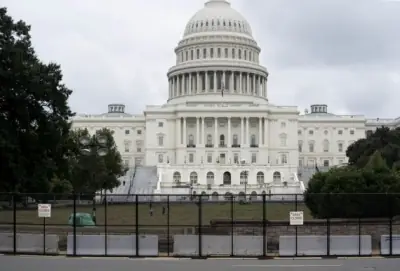
In a familiar yet alarming turn, the US federal government entered a partial shutdown Saturday after Congress couldn’t seal a deal on the 2026 funding package by the midnight deadline. Non-critical operations across multiple agencies have been curtailed, reigniting fears of broader disruptions.
Bipartisan hopes rest on an imminent Senate vote early next week to ratify a funding omnibus, which could restore normalcy. Tensions boiled over from recent tragic events: two deaths in a Minneapolis ICE operation have ignited massive street protests, complicating budget talks centered on DHS allocations.
Democrats halted discussions in protest, decrying the administration’s resource allocation toward quelling demonstrations in cities like Chicago and Minneapolis over pursuing serious criminals. The fallout? Suspended activities in education, health services, housing aid, and defense support, affecting three-quarters of government functions.
Federal workers face grim prospects—potential unpaid leaves or mandatory unpaid duty until Congress acts. A last-minute Senate maneuver Friday night greenlit funding extensions to September for most entities and a 14-day DHS bridge, creating breathing room for immigration policy haggling.
President Donald Trump, in his second term, backed the Senate’s compromise and called on the House to follow suit, keen to avoid repeating the marathon shutdown of last fall that idled services for more than five weeks. Sen. Dick Durbin captured the Democratic frustration: ‘The Trump administration is wasting precious resources targeting peaceful protesters in Chicago and Minneapolis instead of drug smugglers, child predators, and human traffickers. This government is making Americans less safe.’
The episode highlights chronic budgetary dysfunction in Washington. While short-term fixes offer solace, the underlying immigration enforcement debate threatens to prolong the pain, with ripple effects on the economy and public trust.