
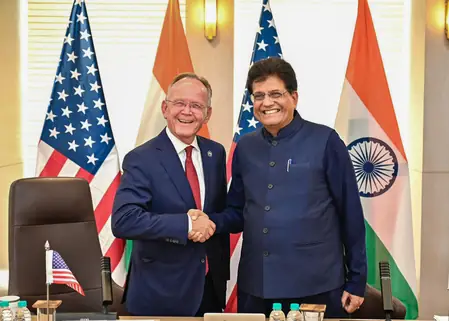
Consumers across India are in for a treat as the India-US reciprocal tariff agreement unlocks lower prices on tech, food, and more. This strategic pact, forged through diplomatic channels, aims to streamline trade and combat rising costs.
Leading the charge are technology products: laptops, smartphones, and electronics hardware will cost less due to slashed duties. Parts and accessories follow suit, benefiting manufacturers and end-users. Packaged foods, home gadgets, and consumer durables round out the initial wave of savings.
Food security gets a lift with potential duty reductions on pulses, dairy, and processed edibles, easing inflationary pressures in a volatile market. Government confirmation of full terms is awaited, but optimism runs high.
Export sectors shine brightly too. Textiles and garments, alongside gems and jewelry, stand to gain from US market access. Industrial exports like steel and chemicals could expand, tempered by lingering high duties on select metals nearing 50%. Automotive components might not see immediate relief.
Catalyzed by a Modi-Trump phone discussion, the US capped tariffs on Indian goods at 18%, matched by India’s barrier reductions. Oil trade shifts feature prominently, with India eyeing more US and Venezuelan supplies over Russian ones.
In a heartfelt social media update, PM Modi thanked his ‘friend’ President Trump, noting the 18% tariff boon for Indian exports. This agreement not only promises pocket-friendly imports but also fortifies long-term economic partnerships between these democratic giants.