
Tensions grip Harinagar village in Darbhanga, Bihar, after an unprecedented FIR under the SC-ST Act ropes in all 210 Brahmin families, regardless of their presence during a violent money dispute. The case, lodged by local Ashrafi Paswan, stems from unpaid wages for a 2015 house construction job.
Kailash Paswan built Hemant Jha’s residence but never received the promised Rs 2.5 lakh despite reminders. Frustrations boiled over on January 31 night into a brutal clash injuring over 10, including female relatives and a child.
Paswan’s narrative accuses a mob led by Hemant, Srinath, Pankaj, Omprakash, and Sumit Jha—along with the village’s entire Brahmin populace—of orchestrated attack and humiliation. The FIR’s broad stroke includes non-local workers earning livelihoods elsewhere.
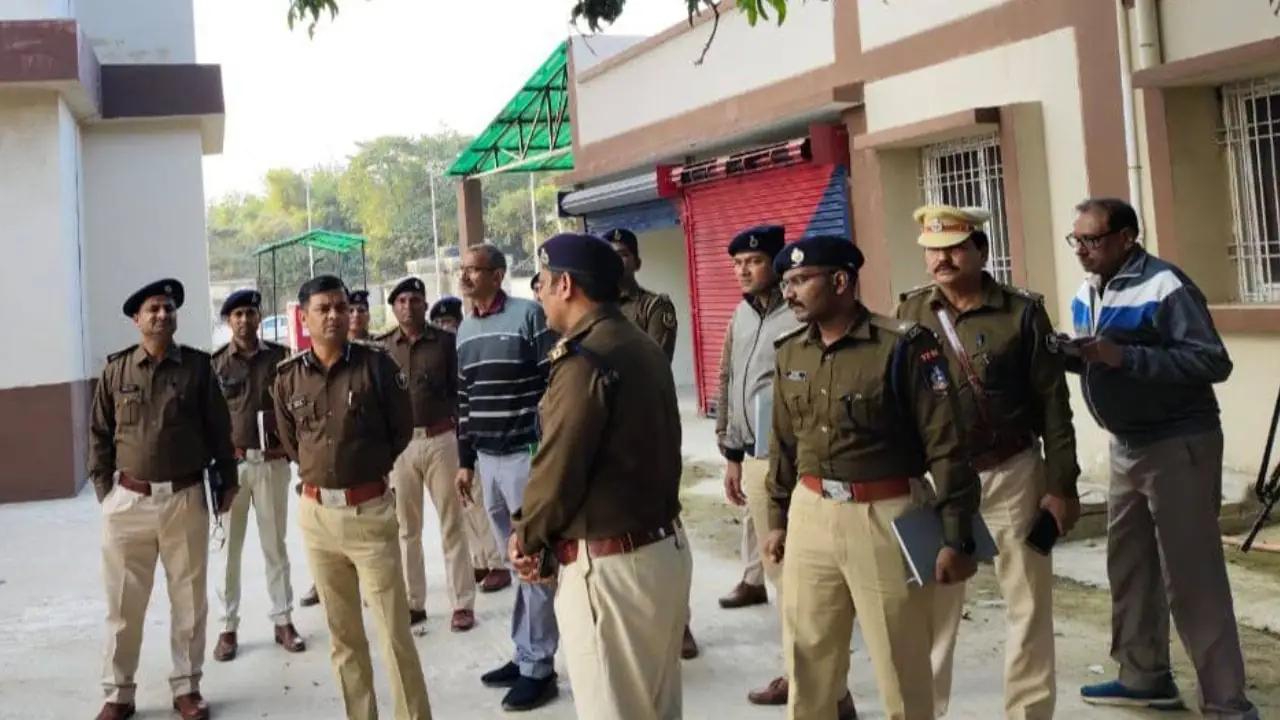
Kusheshwarsthan police detained 12 suspects, ramped up patrols, and report the situation under control yet fraught. This sweeping indictment has sparked outrage, with many viewing it as a blatant weaponization of protective legislation against an innocent community.
The episode, amplified by an NGO’s social media post, spotlights systemic issues in rural dispute resolution. As interrogations proceed, Harinagar remains on edge, urging a balanced probe to sift facts from frenzy in this caste-tinged imbroglio.