
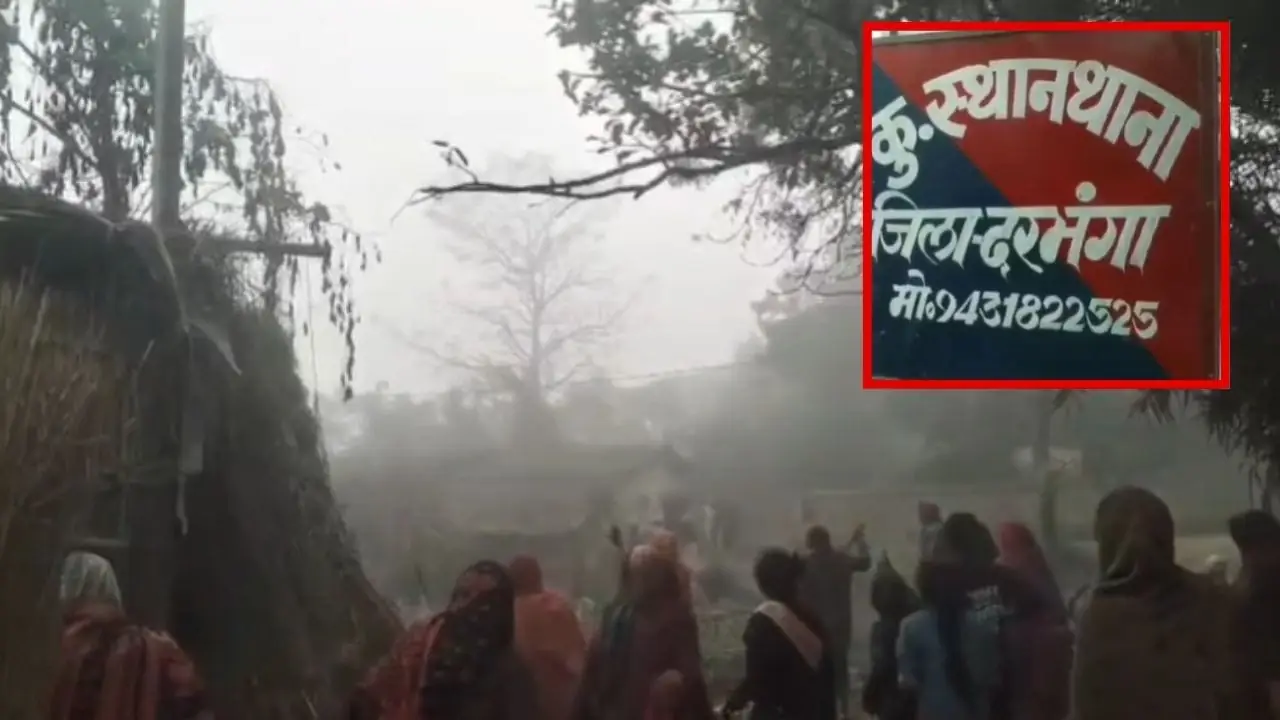
Deep in Bihar’s Darbhanga district, a modest demand for Rs 2.47 lakh in labor wages ignited ferocious caste violence in Harinagar village, prompting FIRs under the SC/ST Act against 220 locals. This gripping tale from Kusheswar Asthan area reveals how everyday frictions fracture social fabric.
Trouble brewed on January 30 when Dalit worker Kailash Paswan waylaid Hemkant Jha’s kin en route, seeking construction dues. Altercation ensued with pushes and insults, unsoothed by bystander pleas. The next day’s village council saw tempers snap, as Brahmins reportedly mobilized for a retaliatory raid on Paswan’s hamlet.
Homes and shops bore the brunt of the fury, with 11 wounded receiving care at DMCH. Graphic videos expose the brawl’s brutality over the monetary melee.
Police acted on Ashrafi Paswan’s plaint, booking 70 specifically and 150 more under grave clauses. SDPO Biroul disclosed 12 arrests, rooting the riot in payment pendency. Brahmin voices protest the case’s caste tinting of a personal pecuniary pact, spotlighting extraneous names in the roster—a point SC/ST activists concede, calling for precision in prosecutions.
Tense standoff persists; implicated Brahmins have vanished. Commission Chairman Dhananjay Kumar’s DMCH outreach decries vested interests’ role in ballooning a bartering bickering into bloodshed. Mandated by Bihar dispensation and Chirag Paswan’s directive, he pledges redress for the ravaged and repercussions for the rabble-rousers.
Beyond the beatings, this Bihar breakdown begs broader reflection on preempting pay disputes from precipitating prejudice-fueled pandemonium.