
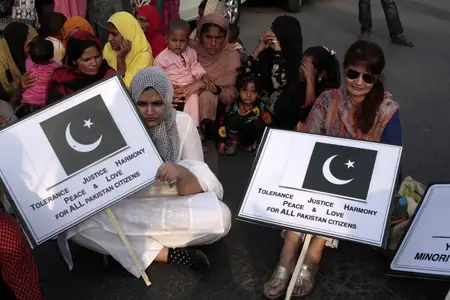
Amid Pakistan’s intensified battle against narcotics, a shadow of discrimination looms over Punjab’s Christian minority. In Faisalabad, community spokespersons have exposed a troubling trend: police allegedly fabricating drug cases to target Christians, using planted substances like heroin, hashish, and crystal meth to justify arrests.
The outcry peaked at Faisalabad Press Club, where Lala Robin Daniel of the Minority Rights Movement detailed the onslaught. ‘We’re being hunted with false FIRs under narcotics Section 9(c), despite legal alcohol permissions,’ he charged. Recent months have seen relentless raids on Christian homes and businesses, with social media campaigns portraying the community as crime syndicates.
This isn’t isolated—it’s systematic, say activists, designed to boost police tallies while stoking religious divides. Legally, minorities can sell and consume alcohol, yet such activities are recast as drug crimes, violating statutes and due process.
Daniel painted a grim picture: families torn apart, reputations shattered, and prejudices hardened. He implored authorities for oversight, transparent reporting, and an end to biased policing. Human rights platforms tracking the issue warn of escalating risks to social harmony.
The scandal demands scrutiny from higher echelons, including federal intervention. As Christians rally for rights, this case tests Pakistan’s commitment to equality. Without reforms, such abuses could proliferate, undermining trust in institutions meant to protect all citizens.